



Engage
Conduct small, rigorous RCTs in select schools using ALfA.


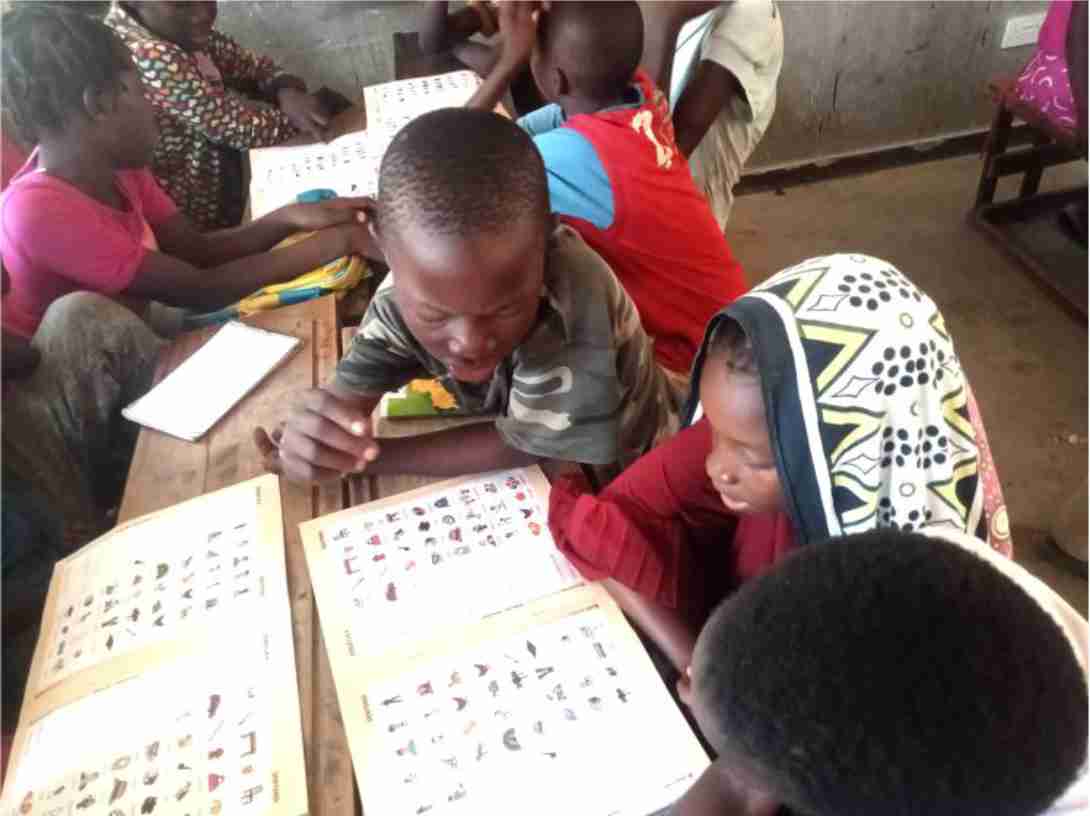
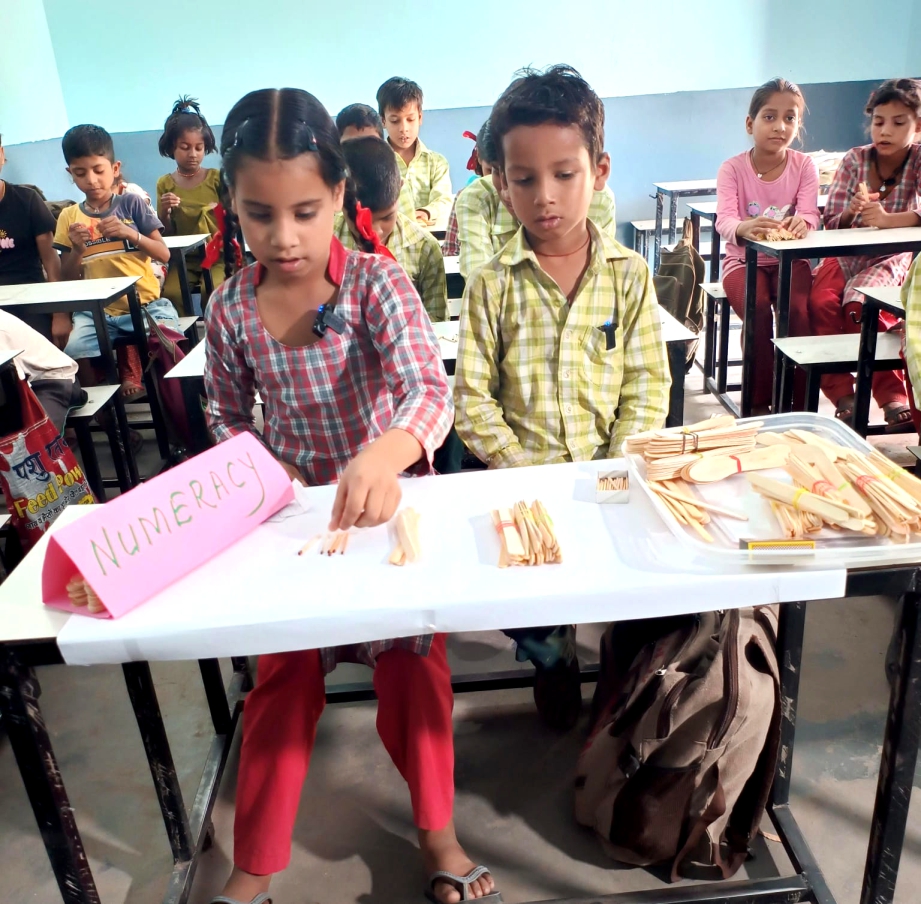

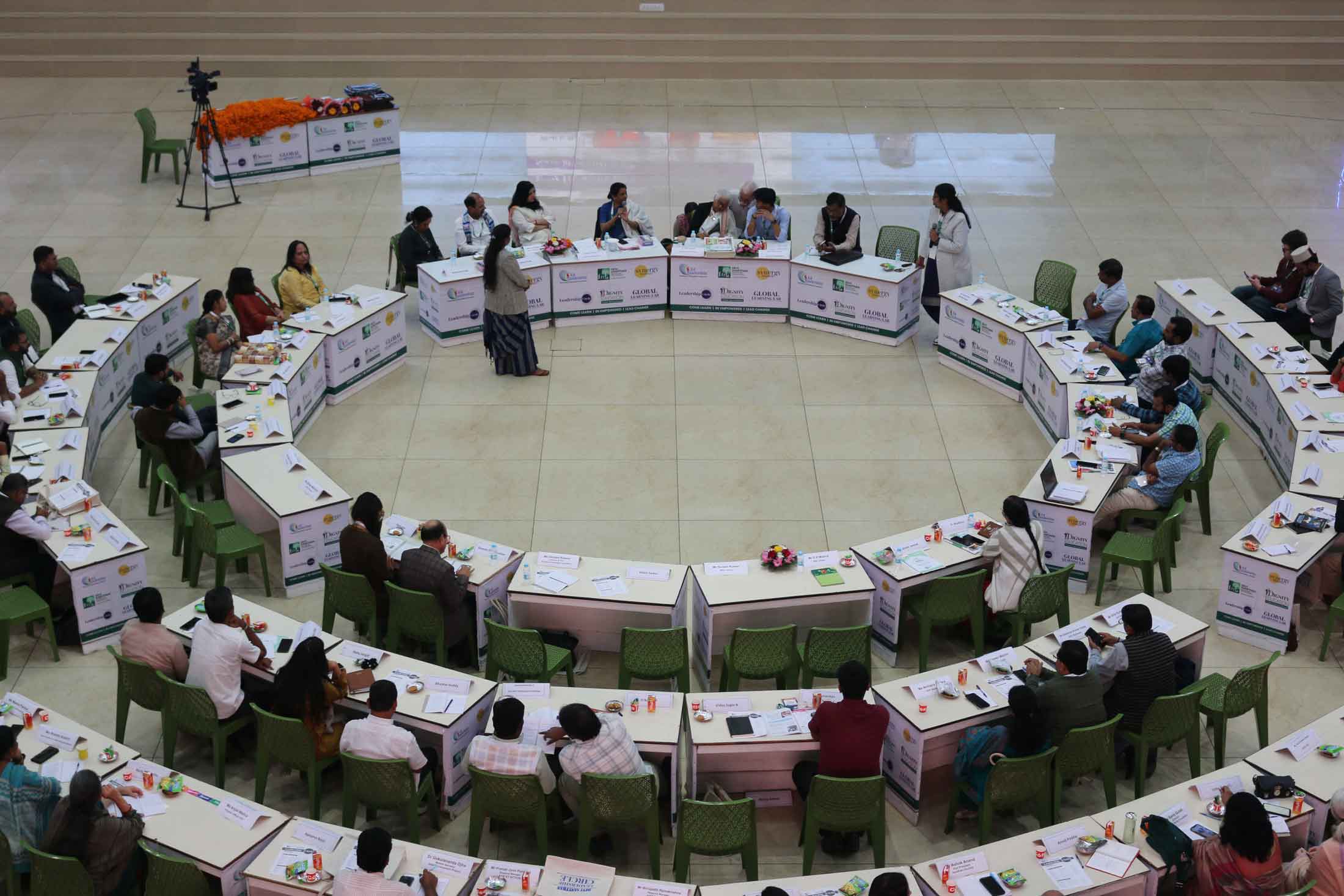
More children are in school than ever before – but are they learning the crucial foundational skills of literacy and numeracy? Are they developing 21st century skills of collaboration, communication, creativity and critical thinking? If you are looking for solutions that build both FLN and create deeper, holistic, more joyful learning, then this conference is for you! The Global Learning Lab 2027, a three-day conference, brings together education leaders, policymakers, NGOs, researchers, and funders to share insights, scale and embed proven solutions. The event features pre-conference global research and Rapid Results Initiatives (RRIs), that deliver swift measurable FLN improvements. This actionable evidence will guide system-wide adoption of innovative strategies to accelerate quality education for all.
Uttar Pradesh has been conducting a large-scale experiment, implementing the innovative Accelerating Learning for All (ALfA) program in 9 districts. This has produced impressive results in third party assessments and the government PRS test. In the Global Learning Lab, you can witness ALfA transforming learning outcomes at scale in government and private schools.
Gain insights into future-ready, scalable, and sustainable FLN solutions, based on research and results worldwide.
Take home tools and frameworks to implement high-impact, low-cost FLN programs;access materials immediately.
Build networks and find partners to support scaling and impact efforts and establish collaborations to sustain impact.
Develop actionable strategies for integrating solutions like ALfA into national education systems.

Sharing insights on scaling foundational learning at national levels.

Bringing global insights and shaping global educational priorities.

Presenting evidence-based approaches and innovations.

Highlighting grassroots success stories & collaborative strategies.

Commitments to global contributions and partnerships to boost FLN.
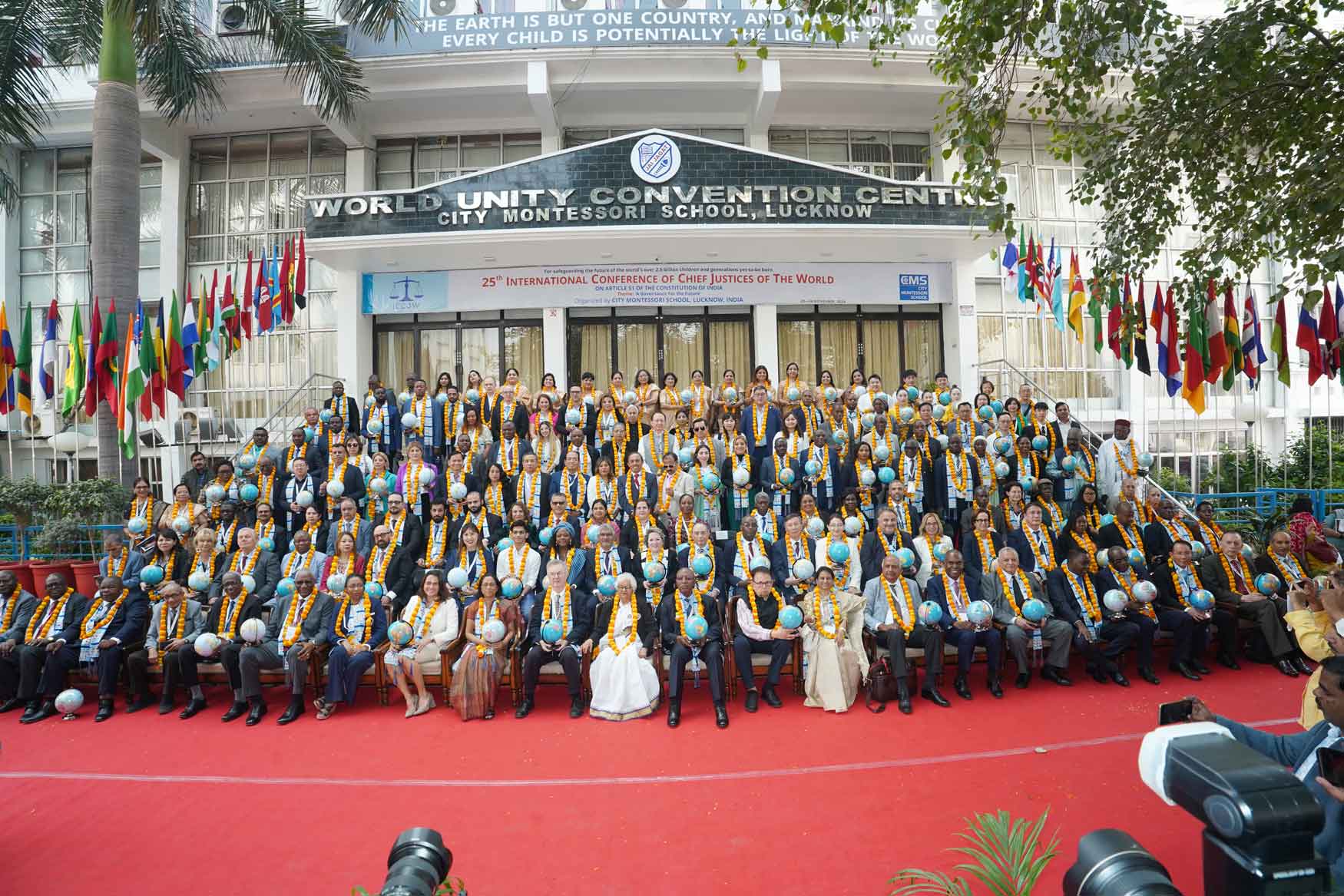
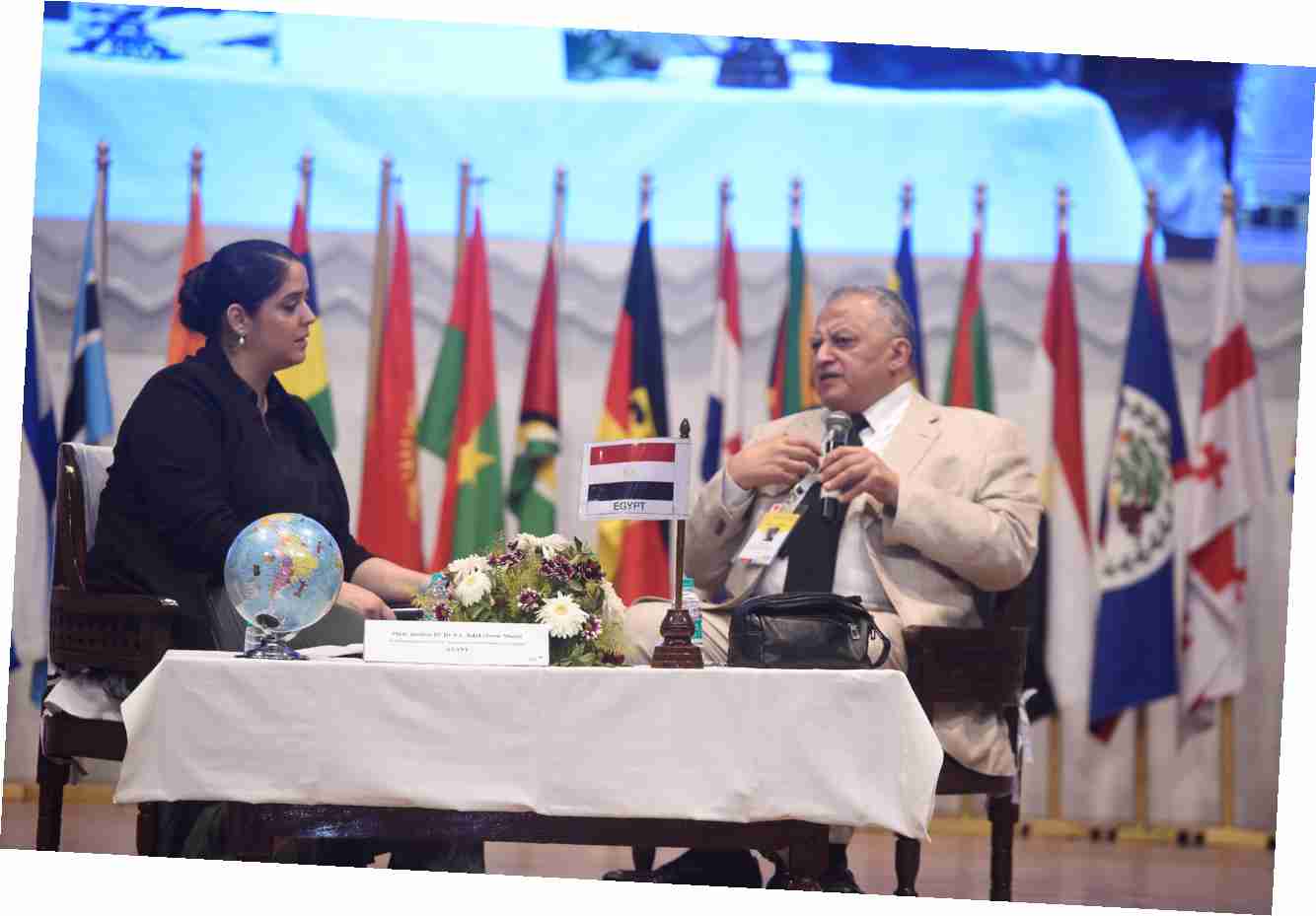
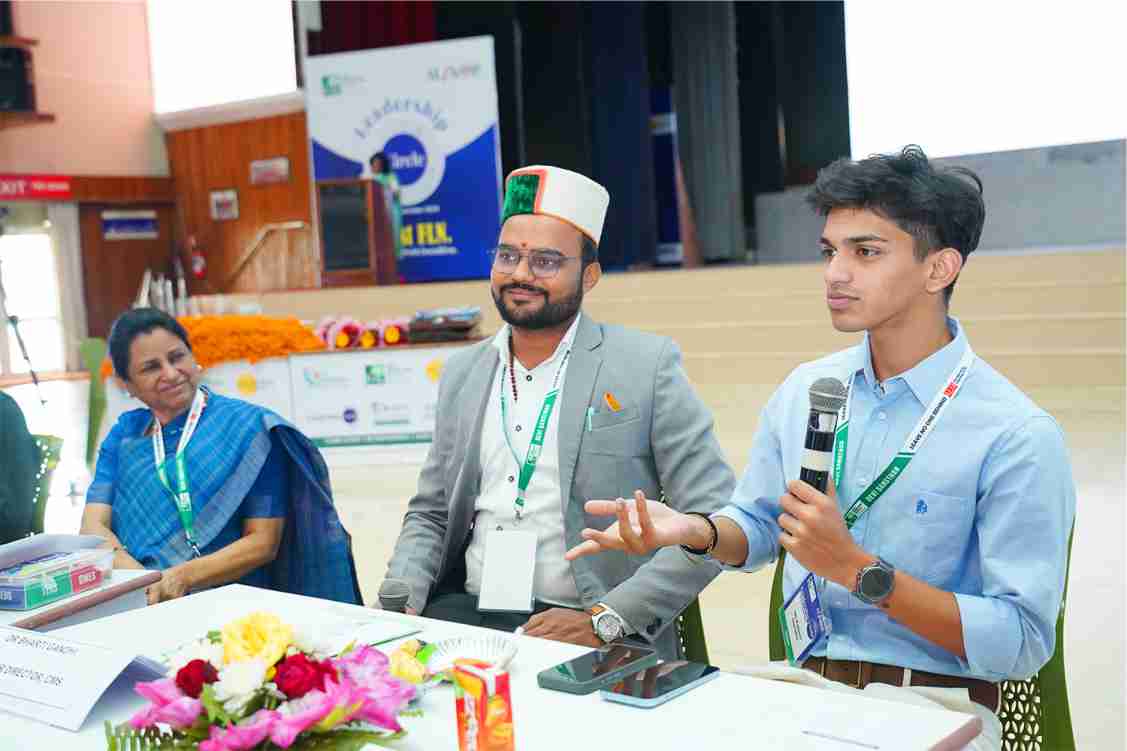
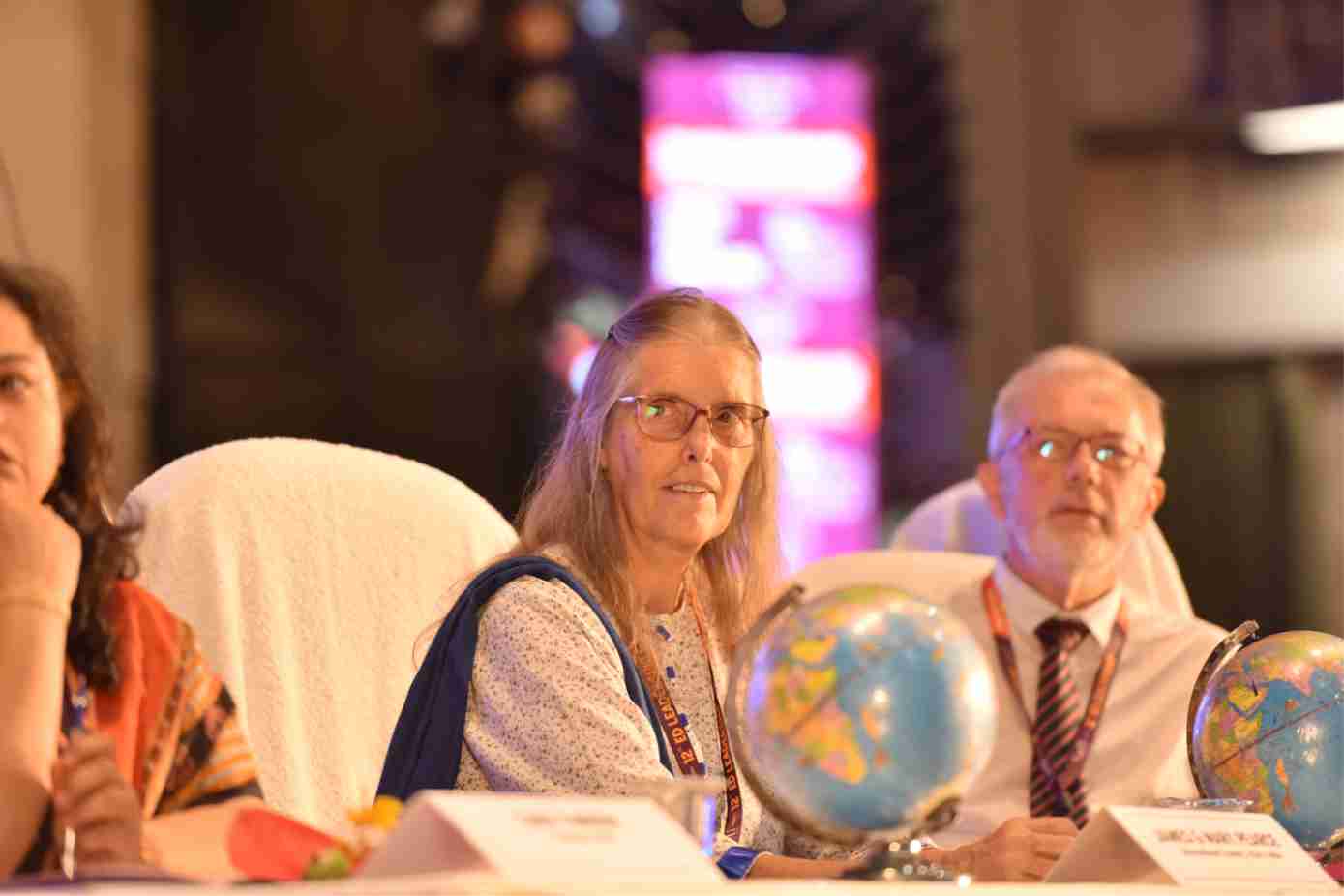

Lucknow, the capital of Uttar Pradesh (India's most populous state) is the birthplace of ALfA—Accelerating Learning for All—developed through two decades of research and extensive fieldwork in slums, villages, government and private schools. Lucknow has a unique confluence of innovation, inclusion, and community.
Dignity Education Vision International (Dignity Education) , is an educational not-for-profit registered in India and the US. It has been pioneering research-based innovative solutions for quality education. Dignity Education has partnered with governments, organisations, and NGOs around the world, to showcase the power of a disruptive pedagogy.
City Montessori School (CMS): City Montessori School, Lucknow, is the world's largest schools by number of pupils, a Guinness Record holder, and the world's sole school recipient of the UNESCO Prize for Peace Education. CMS has served as a giant laboratory for innovative educational practices like ALfA.
The Global Learning Lab 2027 hinges on practical, evidence-based approaches to pedagogy. Prior to the conference, participants are invited to engage in a 45-day Rapid Results Initiative (RRI) in their own contexts to implement the RRI that facilitates policy integration through three phases:

Conduct small, rigorous RCTs in select schools using ALfA.

Broaden ALfA's implementation across a region.

Integrate ALfA's resources and methodologies into education systems.
Who: Ministries of Education, NGOs, and partner organizations working in collaboration with governments at local, regional and national levels.
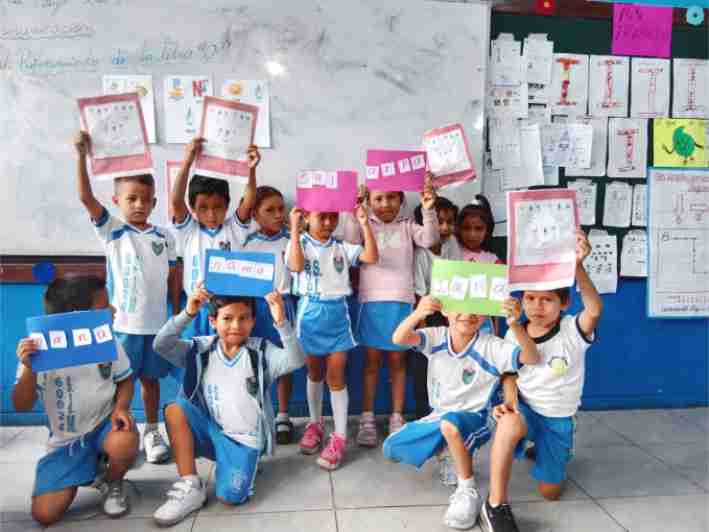
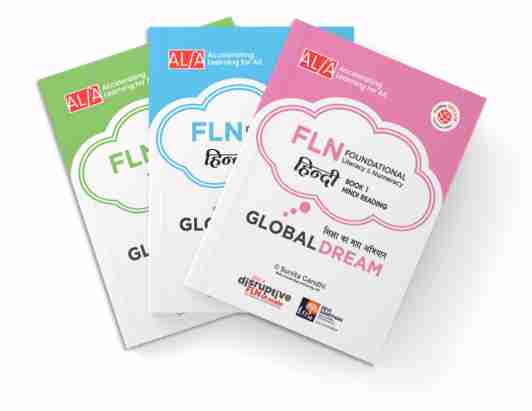
ALfA literacy and numeracy program has scaled rapidly from 20 schools to 17,000 government schools in India within two years, along with research implementations in 12 countries. Impressive early results indicate that the program is among the most cost-effective in the world, with significant learning gains (average: 0.48 SD) and costing just $4 per child. Toolkits are now available in 33 languages including Arabic, Chishona, Dari, English, French, Mandarin, Portuguese, Spanish, Swahili, Tagalog, Twi and Yoruba.

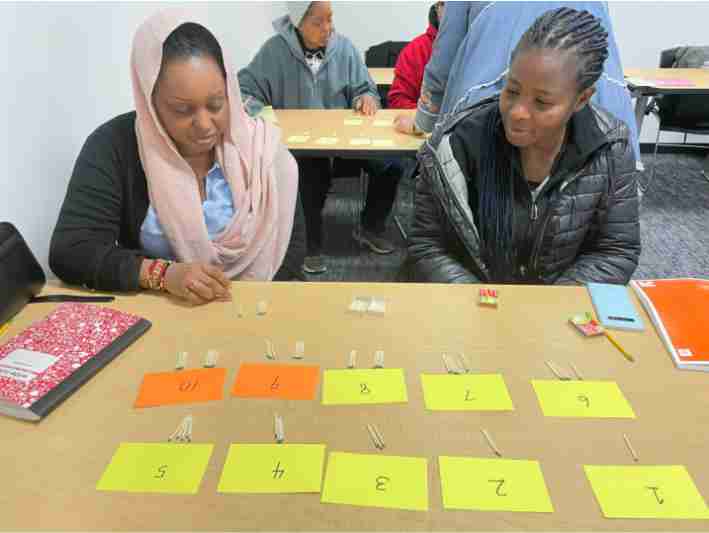
Draws upon children's prior knowledge and hands-on experiences to discover new
learning.

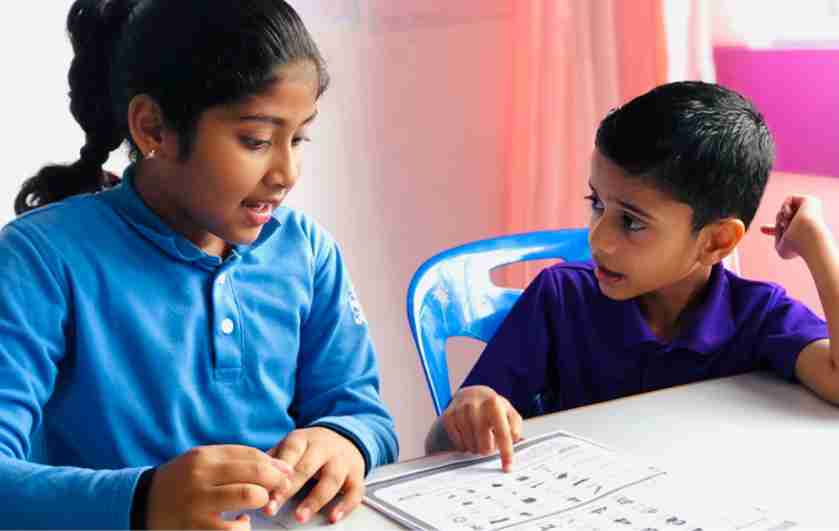
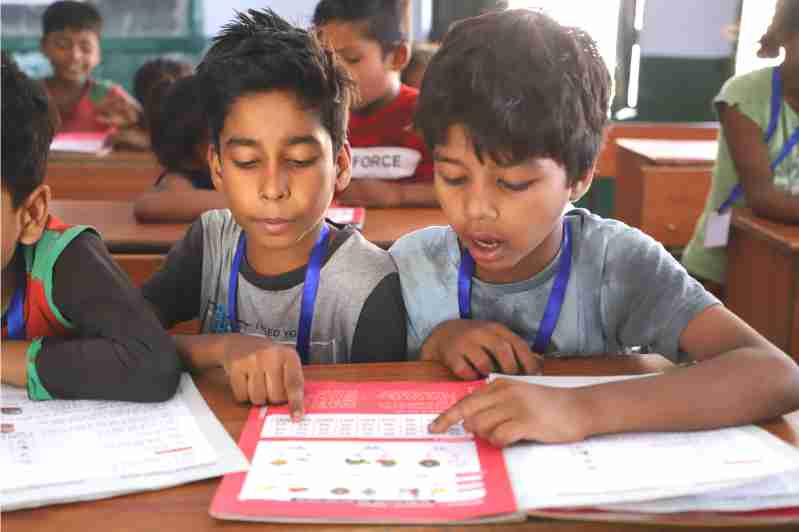
Interactive 1:1 paired learning without differentiation helps children learn faster and retain more.

Embeds 21st century skills and traits like collaboration, critical thinking, citizenship, climate-conciousness.

Teachers are galvanizers. They demonstrate how to work in pairs, ask questions, and guide students in paired hands-on activities.

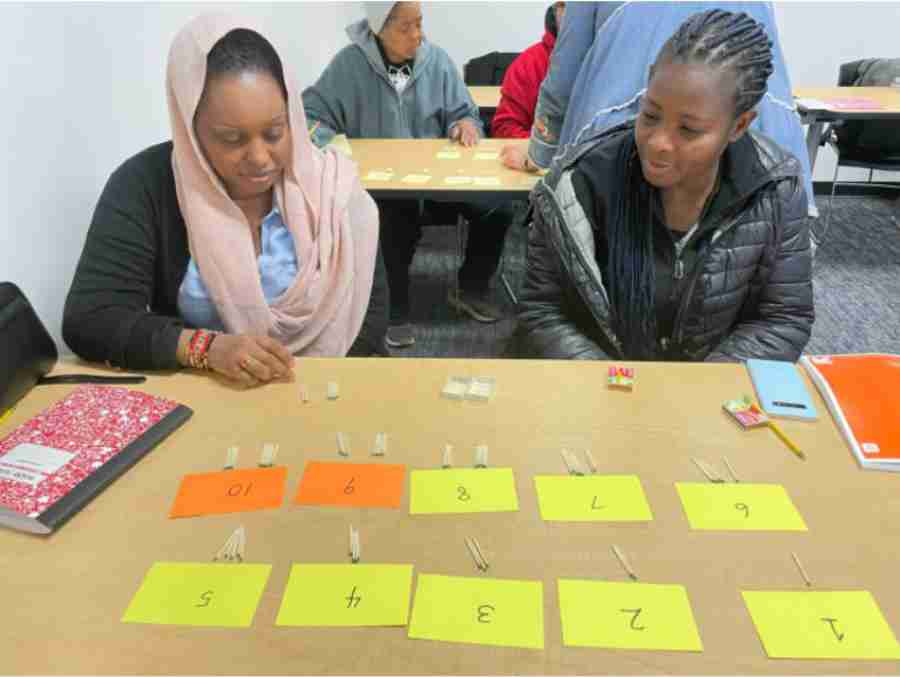
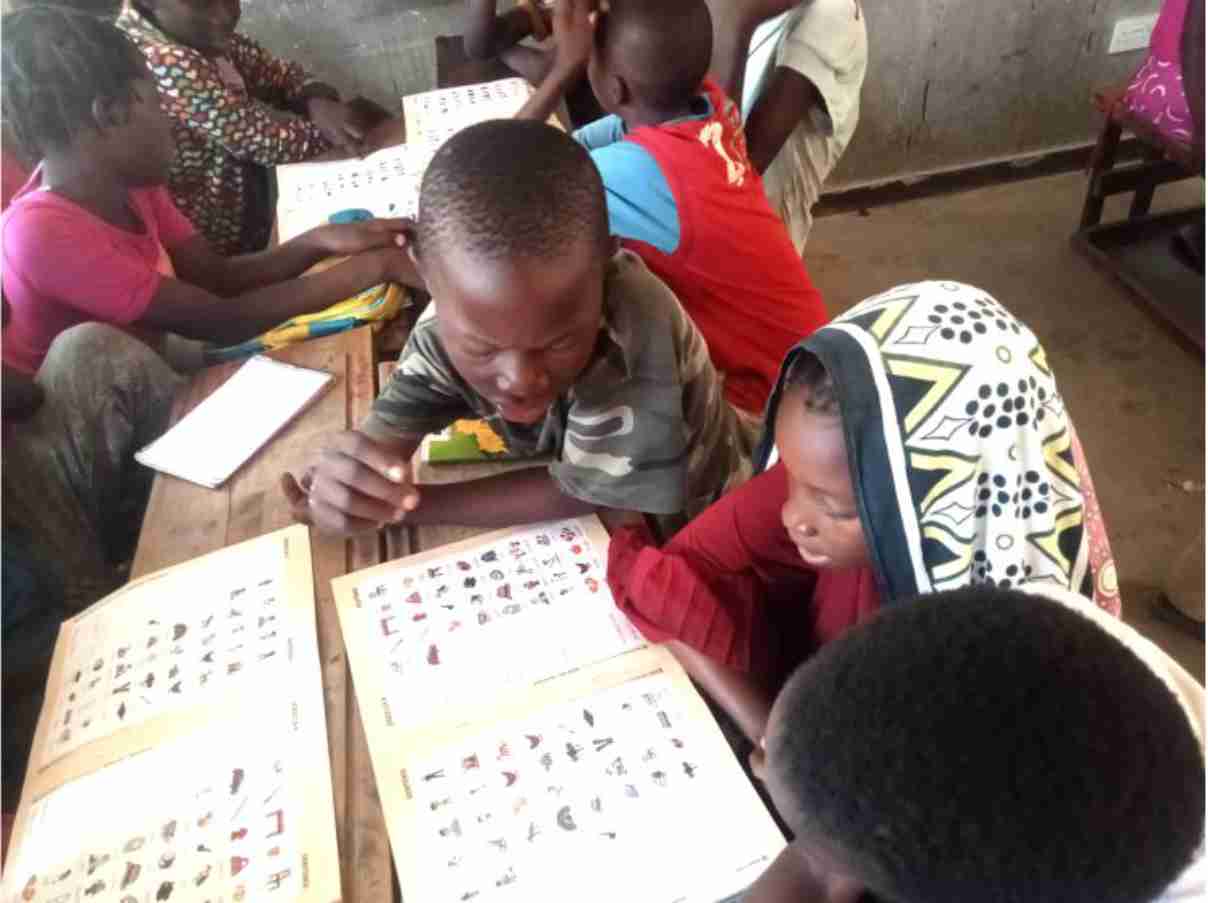
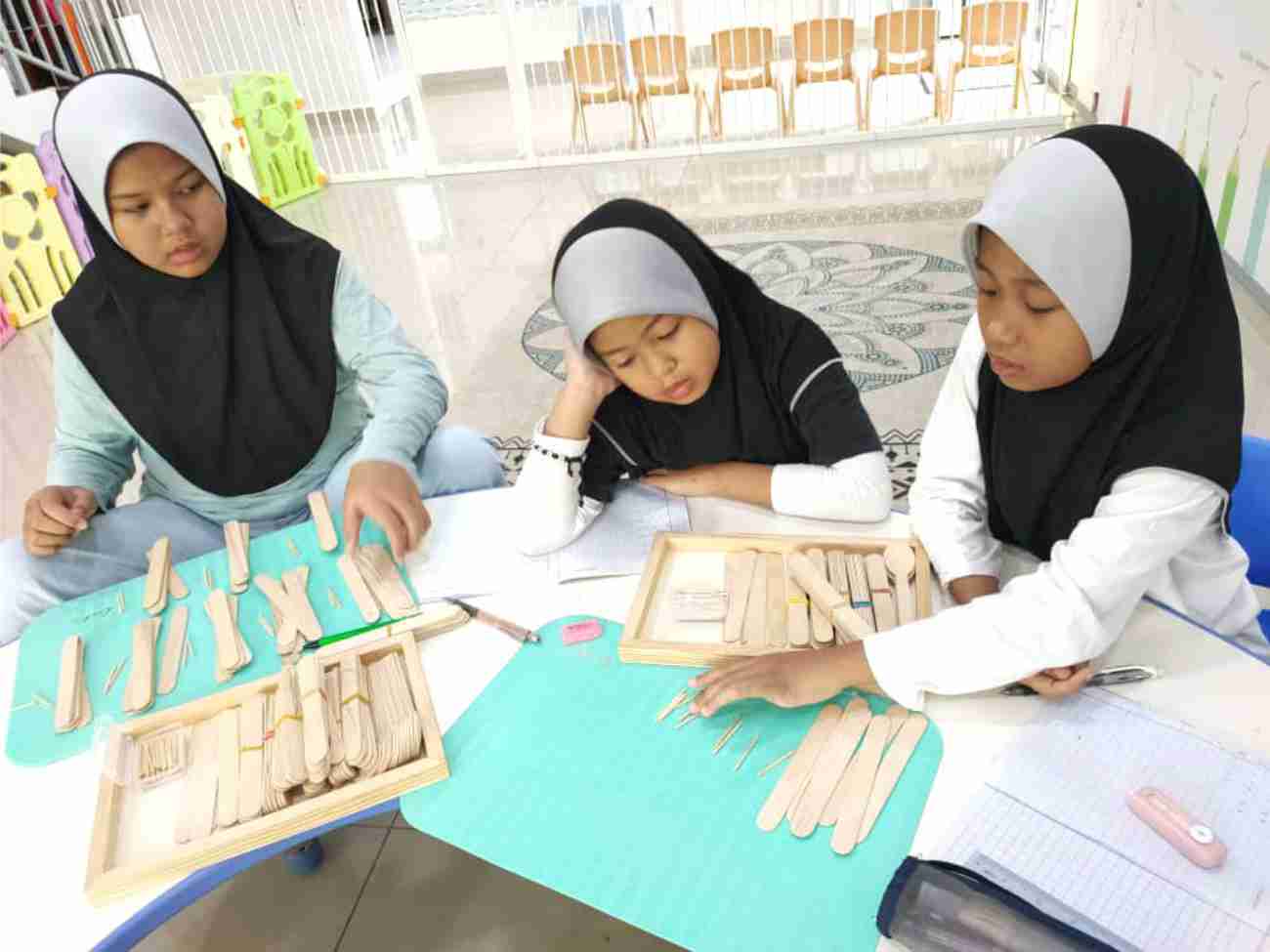
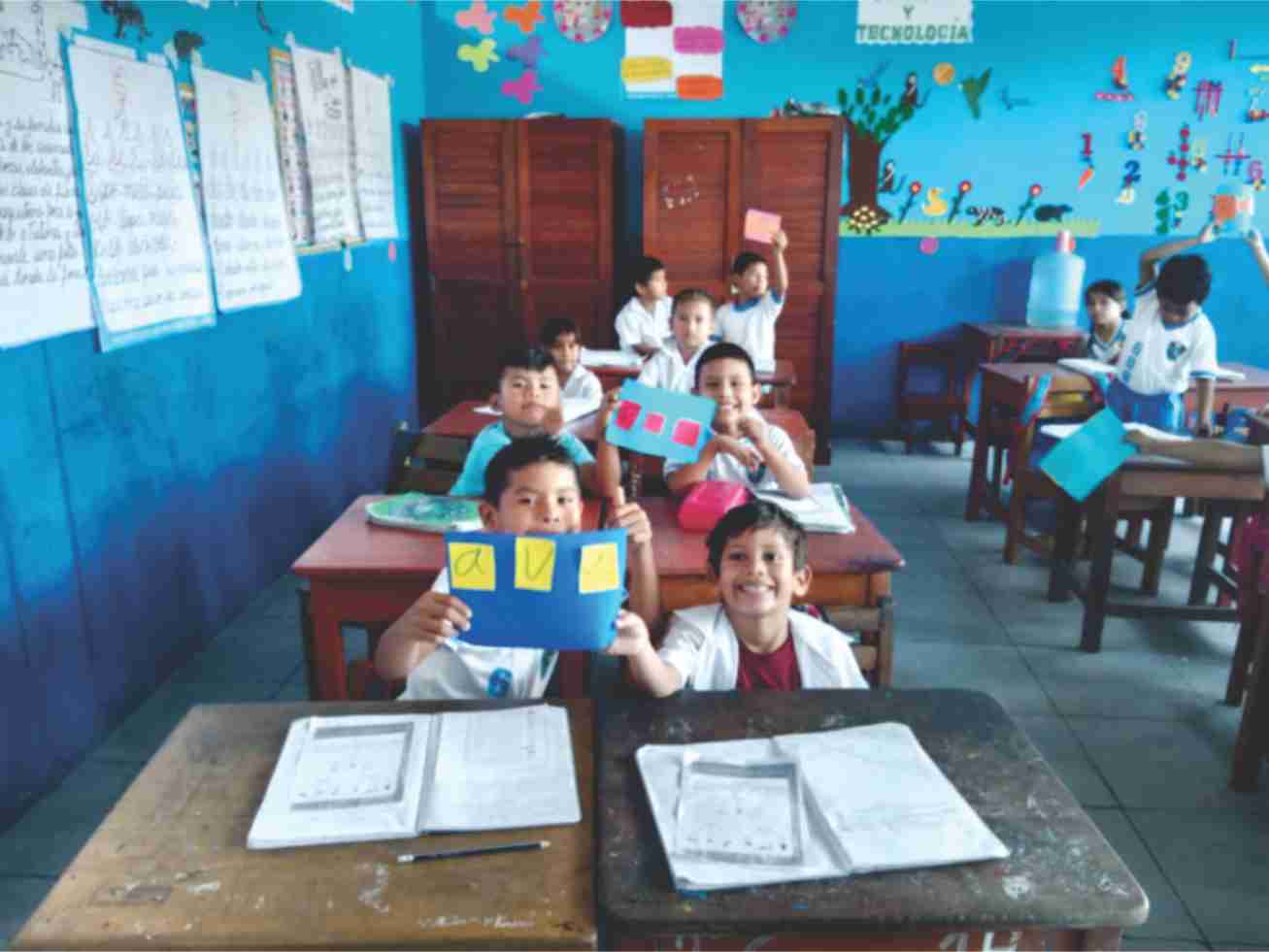
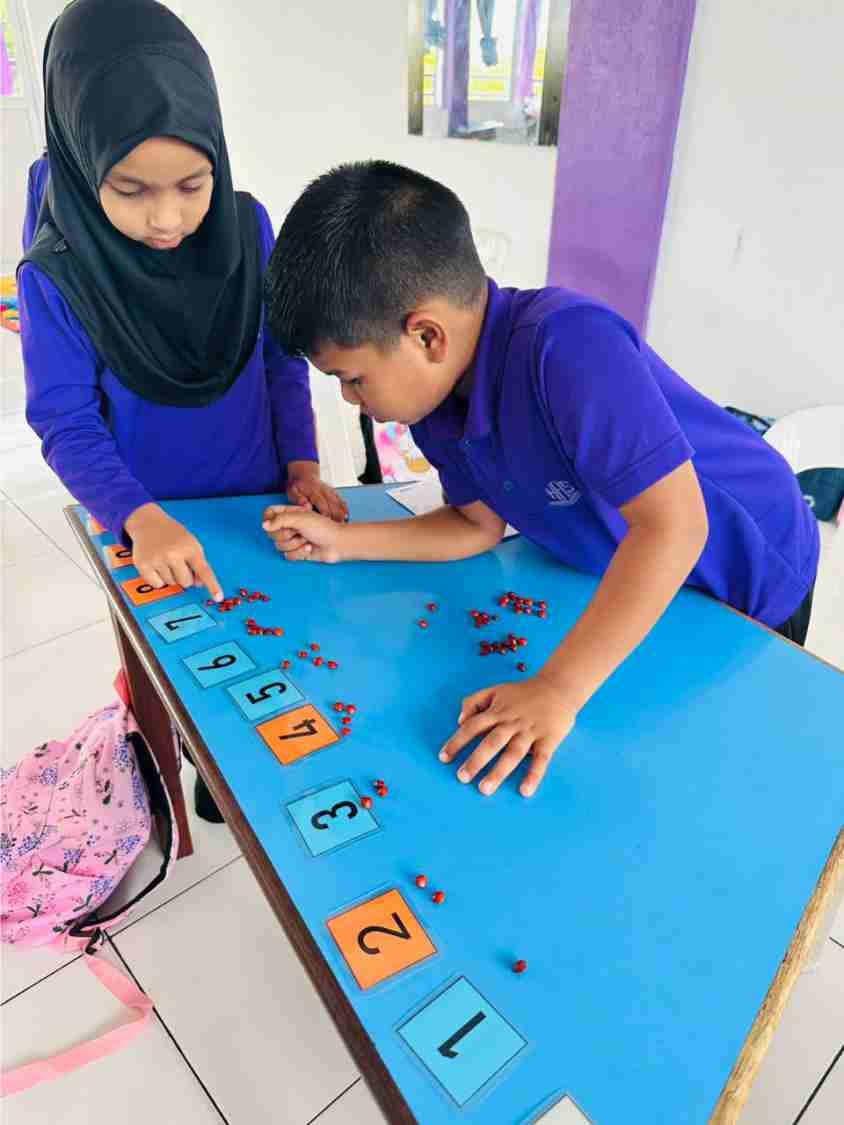
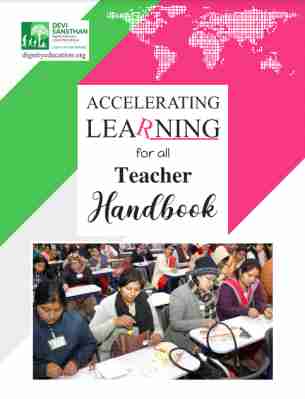
ALfA provides a process-led structure to reach FLN goals swiftly, at scale. This includes online and in-person training options, unique learning materials, universal standardized FLN assessments, and ed-tech tools that include learning, data & report generation apps.
Low cost, low carbon,
low psychological burden

Supplements & provides learning on devices at home & school

Locally available, sustainable,
reusable
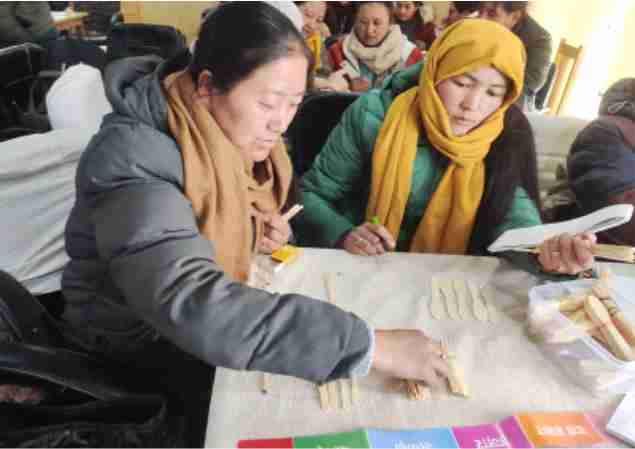
Highly participatory, Online/Offline
Simple, visual instructions
& video repository

Scanning app enables instant analysis and reports
The effect size of the project was 0.23 for Grade 3 students and 0.89 for Grade 5… the results suggest there is significant value in pursuing the ALFA model in other schools if implemented in a coherent, structured, and coordinated manner.
Chapter 8 of the book discusses the RCT of ALfA in Shamli, Uttar Pradesh, India, which led to results as shown on the right after just 40 days of implementation as cited in the book.
These encouraging results led to the program's expansion to 41% of Shamli's schools. Shamli rose from being a Low-Performing District of India to Rank 18 of 75 in Uttar Pradesh in the governments own FLN test.
"One of the challenges facing many teachers is the extreme diversity of learning levels. Teaching at the Right Level (TaRL) solves this problem by grouping students by ability, whereas ALfA transforms the mixed learning levels from a challenge to a strength through paired learning.
While ALfA is newer and still emerging compared to established programs such as TaRL and Structured Pedagogy, its ability to deliver swift learning gains positions it as a promising strategy for achieving universal literacy and numeracy."
- Aïcha Bah Diallo Former Minister of Education, Guinea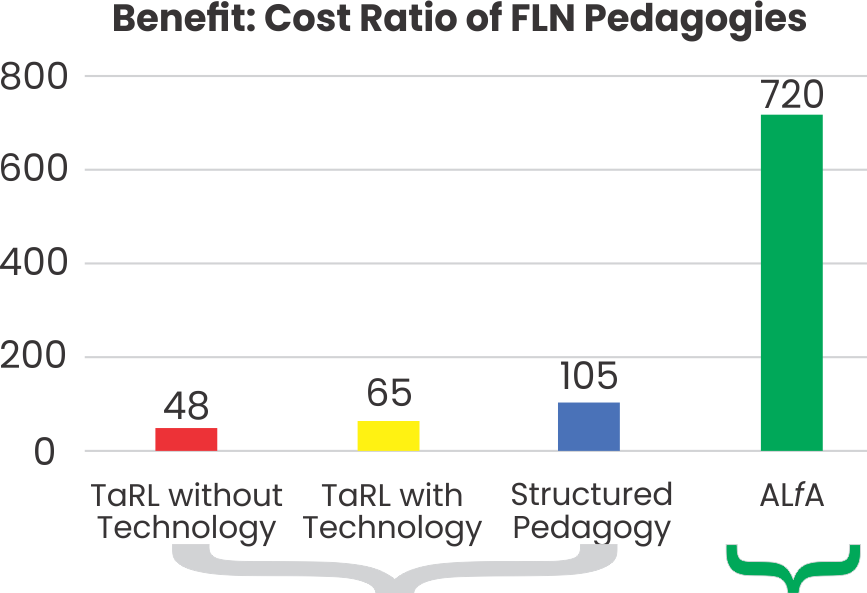
| Feature | Structured Pedagogy | TaRL | ALfA |
|---|---|---|---|
| Core Approach | Standardized lesson plans and scripted teaching. | Grouping students by ability level and targeting instruction accordingly. | A process-led structure that scaffolds learning through paired activities. |
| Holistic & Social Development | Focused primarily on academic content delivery rather than holistic development. | Differentiated grouping can unintentionally lead to a fixed mindset which can prejudice a child about their own ability. | Develops 21st-century skills such as collaboration, citizenship, equity & inclusion through random paired learning. |
| Speed & Efficacy | Effect Size: 0.13 (Generally 3-year implementations) | Effect Sizes: 0.08-0.7 (50 days, combination of studies 2005-2014) | Effect Sizes: 0.23-0.89 (India, Maldives: 45 days, 2022-23) |
| Cost | $8 per child Detailed scripting and material requirements. | $20-$27 per child Resources vary by implementation. More significant training required. | $4 per child Leverages local resources and requires minimal training time. |
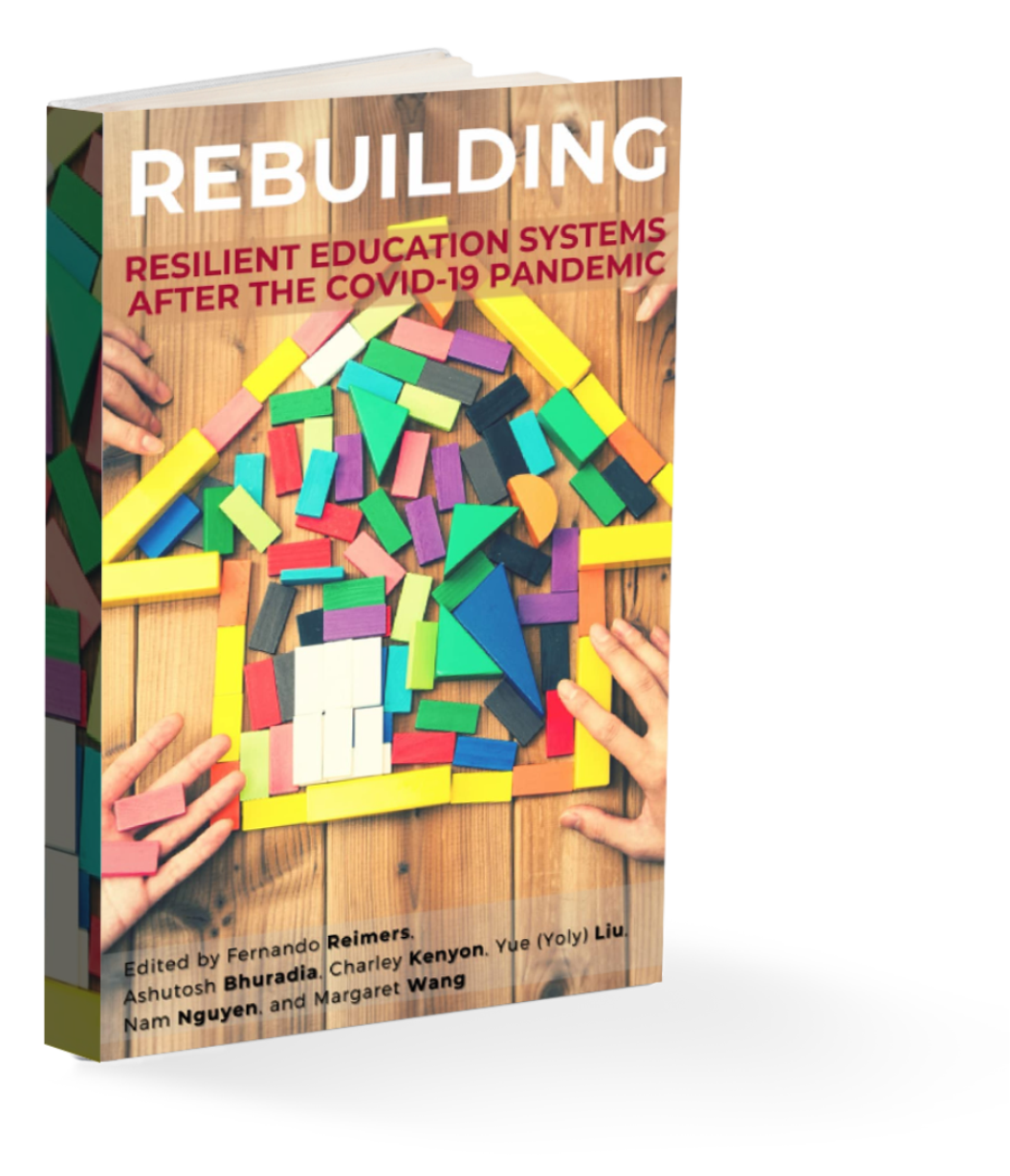
Mindset: The New Psychology of Success
How Rich Donors have Caused More Harm than Good to India's Education. Explore Now
Halftime to SDGs. Best Investment Paper: Education. Explore Now
Teaching at the Right Level: Summary of Interventions. Explore Now
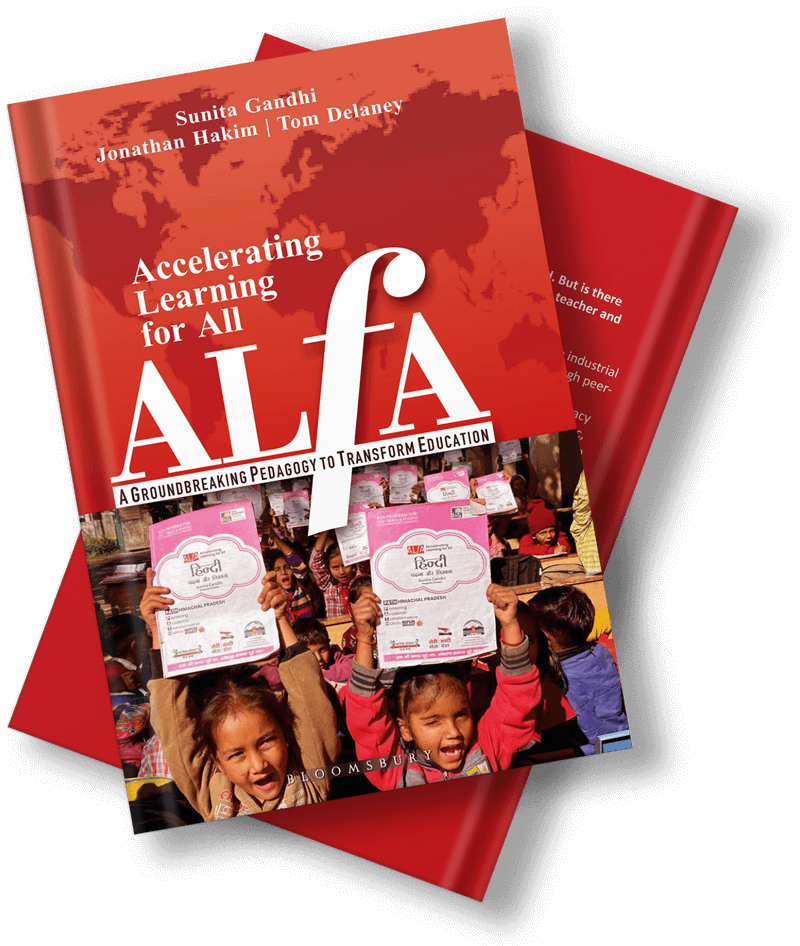
“All students should be able to learn to read quickly to maximize their academic
potential and ALfA does that.”
Jon Corippo
Founder of EduProtocols, USA
"This book provides unique ideas about creating a pedagogy of possibility. It will help
create the conditions for a better world.”
Sigamoney Naicker
Professor, University of the Western Cape

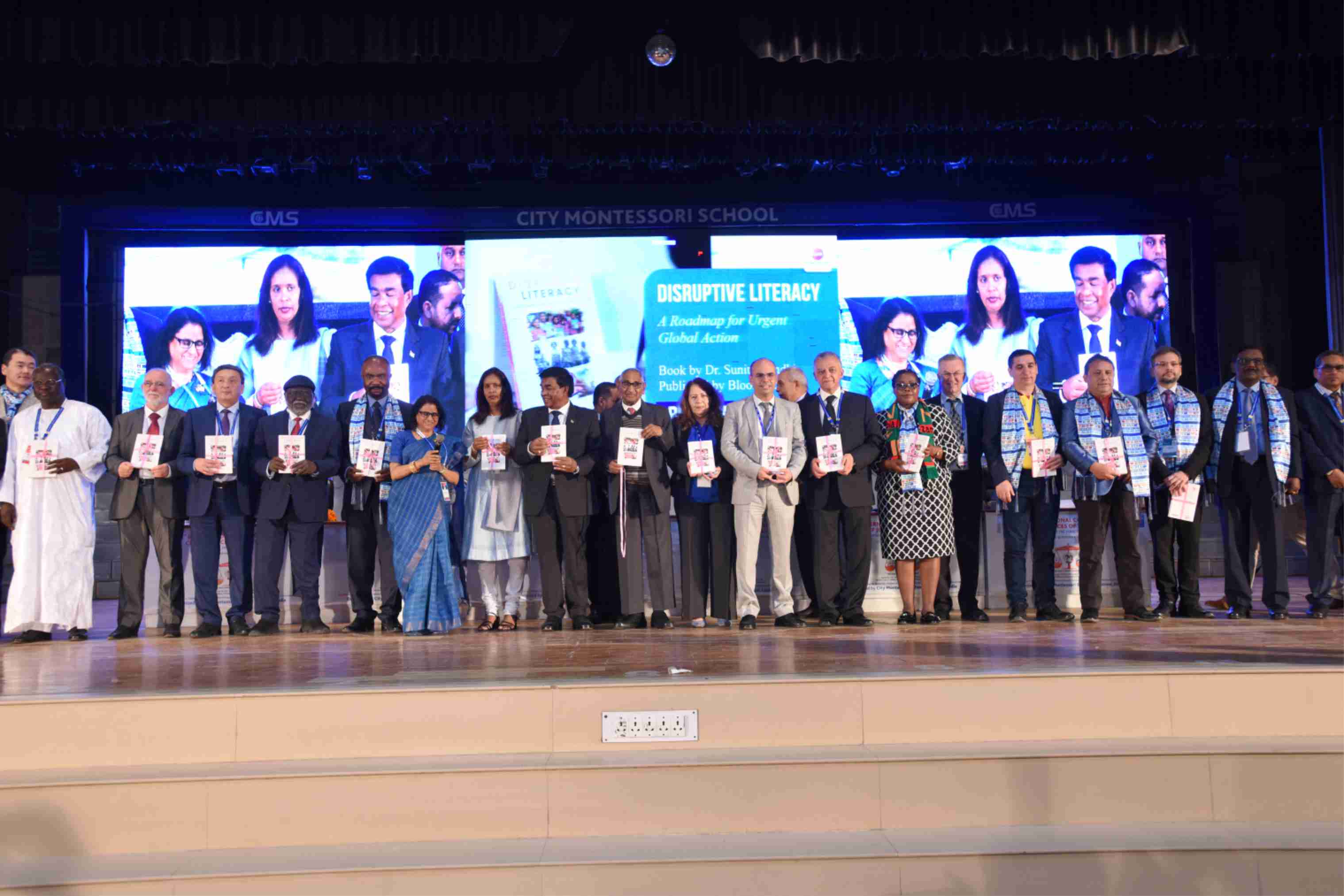
“A much-needed manifesto for achieving large scale transformation of the global literacy
crisis.”
Ernesto Schiefelbein
Former Minister of Education, Chile
"A must read for policymakers and all those associated with the campaign against
illiteracy."
Anil Swarup
Former Secretary of Education, India
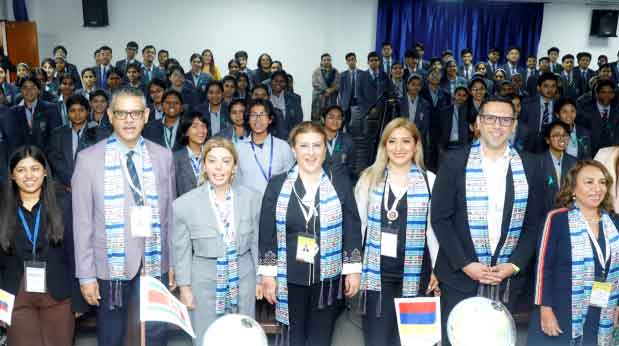
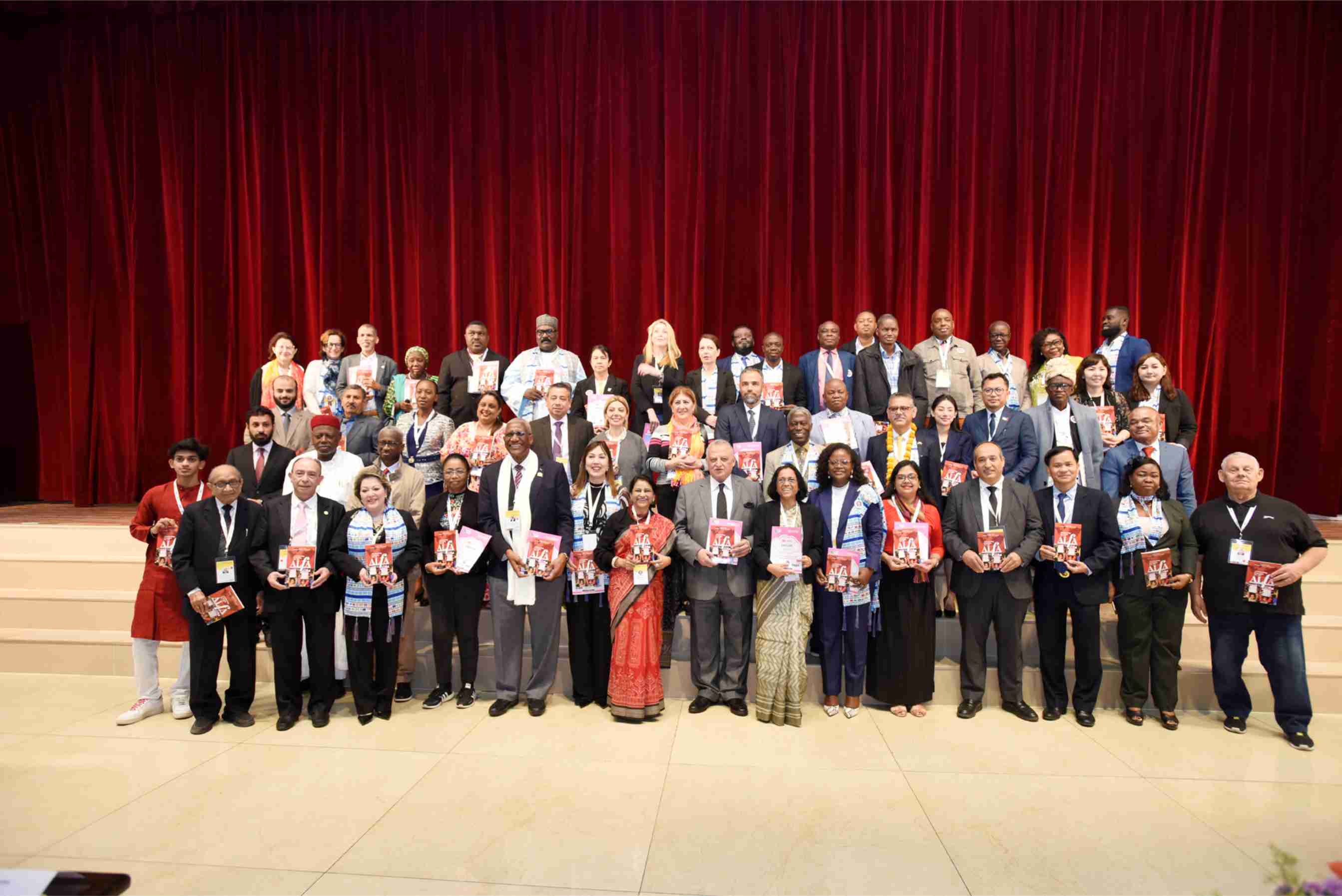
This conference is more than a dialogue; it is a global call to action for swift, replicable, impactful, equitable, inclusive, cost-effective and scalable solutions that empower learners and transform education systems.
Education leaders, policymakers, researchers, and practitioners are invited to join this transformative initiative. Together, we can create a global movement to accelerate foundational learning, achieve SDG 4, and fast-forward a quality education for all.