Skip to content

Rapid Results Initiative (RRI) — Boost FLN in 45 Days

USA
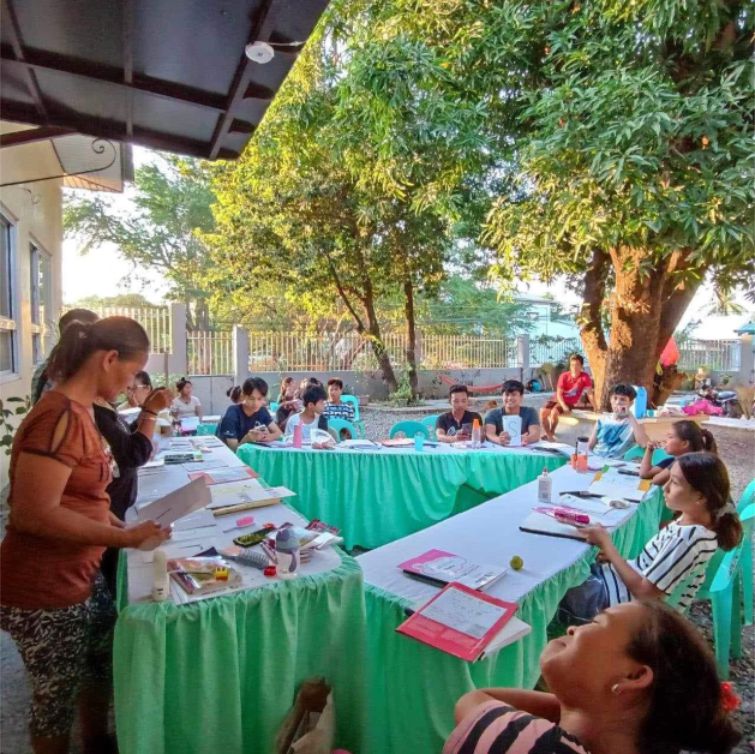
Philippines
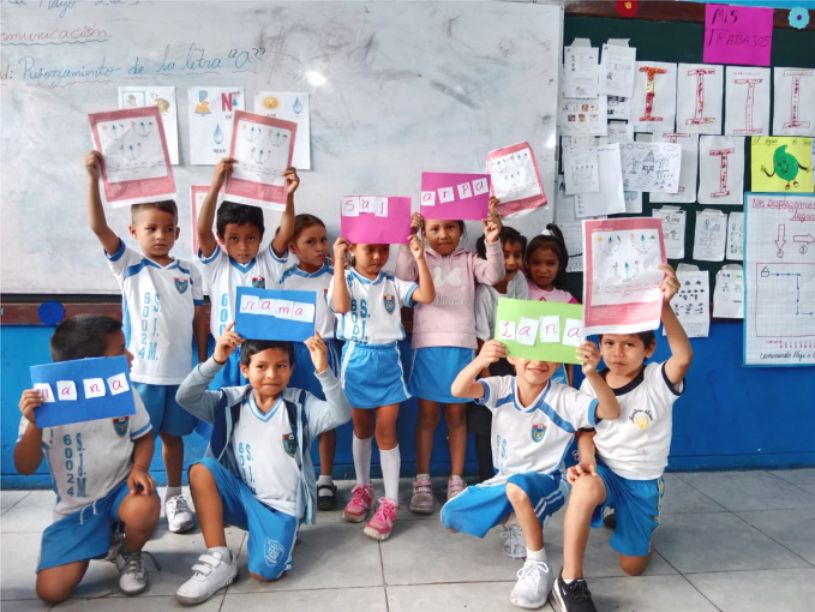
Peru

rapidresultsinitiative

Boost FLN in 45 Days.Study. Scale. Sustain.

FAST

HOLISTIC

TRANSFORMATIVE

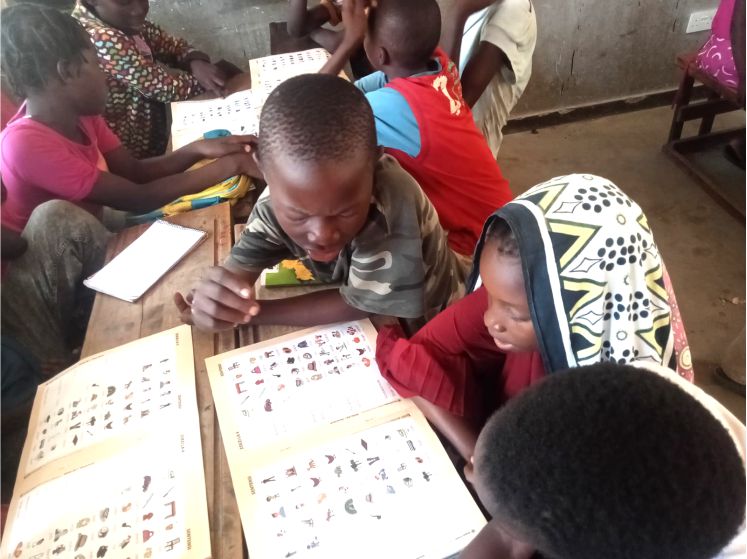
Kenya
Malaysia
Guyana

Rapid Results Initiative : What & Why?

Insanity is doing the same thing over and over and expecting a different outcome.

- Albert Einstein
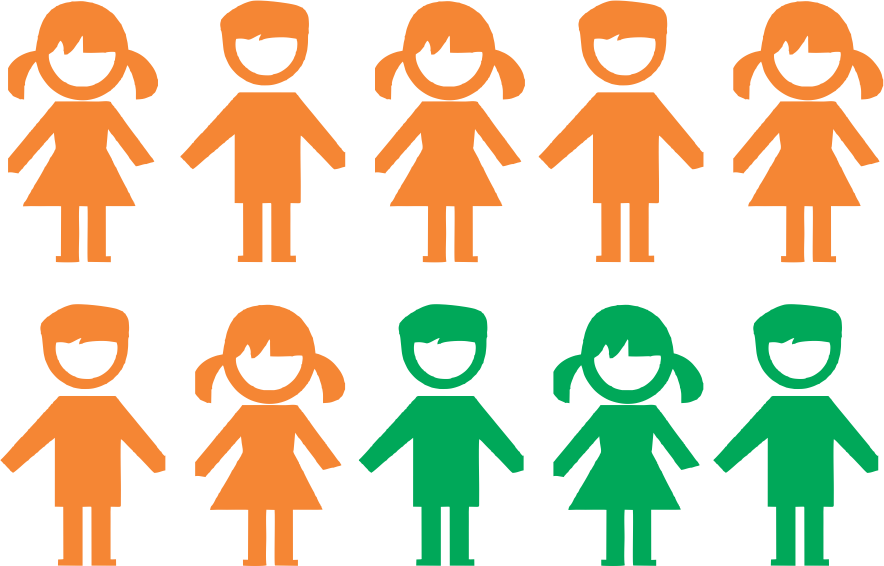
7 out of 10

10-year olds cannot read in Low-and- Middle-Income Countries around the world

Imagine: New Process | New Structure | New Outcome

Relying on current practices will merely replicate existing outcomes. We need to embrace research-driven innovations that challenge established methods and pave the way for transformational progress.

Accelerating Learning for All (ALfA) addresses delays in mastering foundational skills that hinder the academic progress of many children. Its innovative peer-to-peer learning processes enable children to achieve literacy and numeracy goals in just 45 working days. This results in greater fluency, an expanded vocabulary, and a better understanding of language and math concepts, setting them on a new trajectory for success.

The Rapid Results Initiative (RRI) combines this new pedagogy, learning materials, and teacher empowerment to address the global education crisis effectively and efficiently.

The RRI involves three stages:

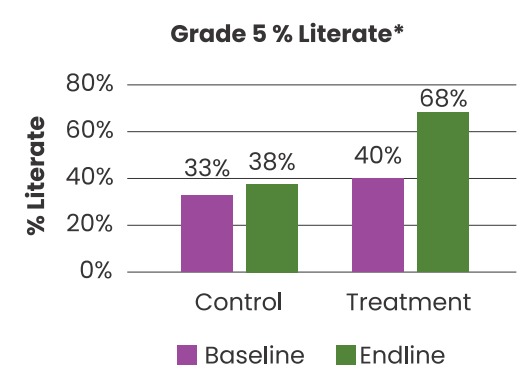
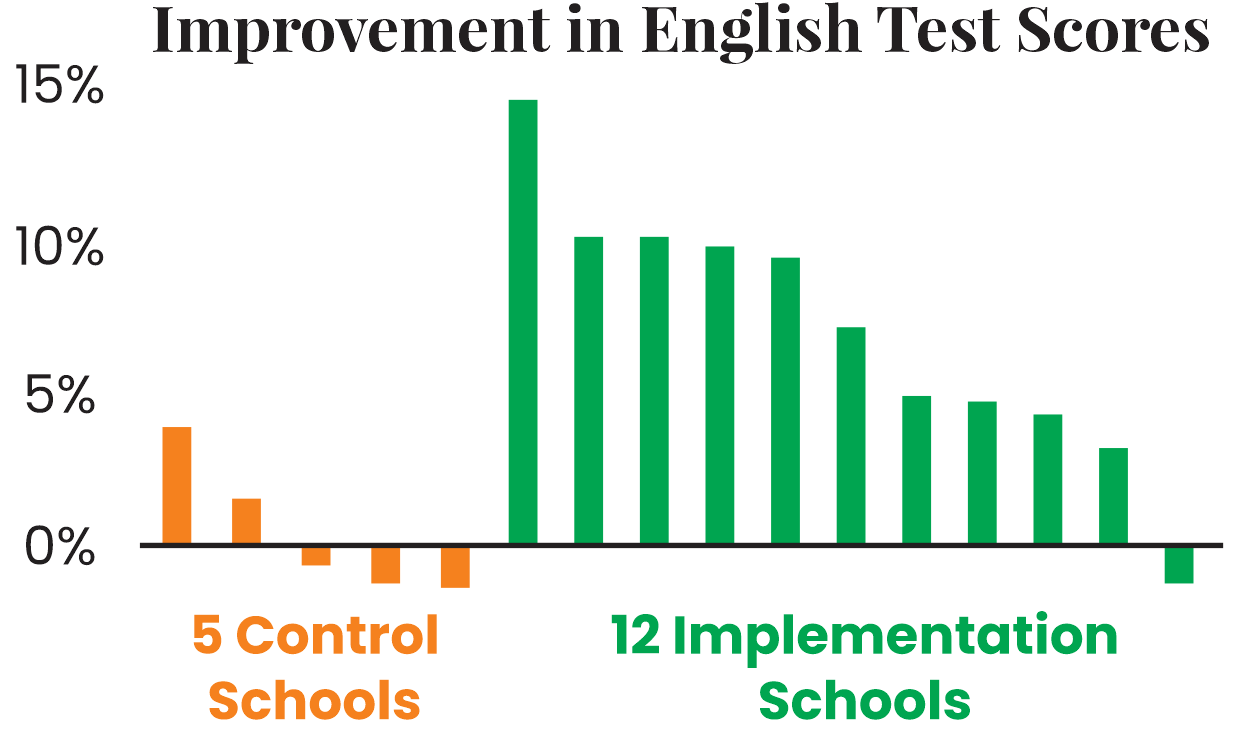
Study: Rigorous, small-scale research (RCT design) with a few schools implementing ALfA and others in the control group

Scale: Scaling the program to hundreds of schools across a local geography.

Sustain: Integrating the ALfA materials, pedagogy and teacher training within the education system.

Through rigorous research and swift results, the RRI empowers policymakers to integrate these methods into existing curricula and teacher training systems.

Connection to Global Learning Lab (GLL) 2026

RRI serves as a precursor to the Global Learning Lab (GLL) 2026, focused on "Fast-Forward FLN: From Global Research to Systemic Transformation," scheduled for June 18-20, 2026, in Lucknow, India. The GLL will convene global stakeholders (policymakers, researchers, international organizations, funding agencies, practitioners, and NGOs) to address foundational learning gaps.

As part of this initiative, countries and regions are invited to implement the 45-day Research Implementations in advance of the GLL, and come prepared to share their findings on the efficacy, scalability, and adaptability of the ALfA pedagogy, and pathways for its integration in national frameworks at the GLL.

Why ALfA?

  1. Rapid Results: ALfA enables children to attain foundational literacy and numeracy skills within just 3 months, contrasting with traditional methods that often take 3 years. This rapid progress allows policymakers to swiftly scale new pedagogical approaches.
  2. Teacher-Friendly Implementation: ALfA simplifies teaching with pre-structured lesson triggers and minimal planning requirements. The RRI process offers robust support through training, WhatsApp groups, and certificates, which motivates educators.
  3. Cost-Efficiency: Thin booklets, short training sessions, and locally available resources, making it highly adaptable and affordable for diverse contexts.
  4. Scalability and Adaptability: Its low-cost, high-impact approach makes ALfA accessible for under-resourced settings, enabling equitable implementation at scale.
  5. Holistic Development: Beyond literacy and numeracy, ALfA builds socio-emotional and cognitive skills crucial for lifelong learning, including Collaboration, Communication & Critical Thinking.
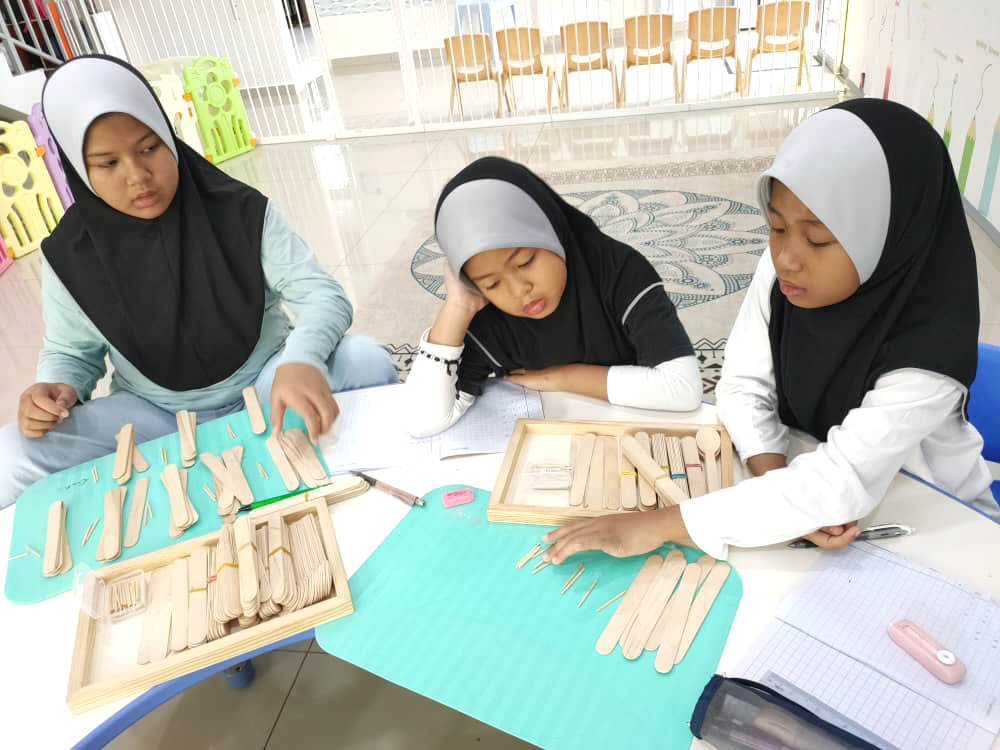
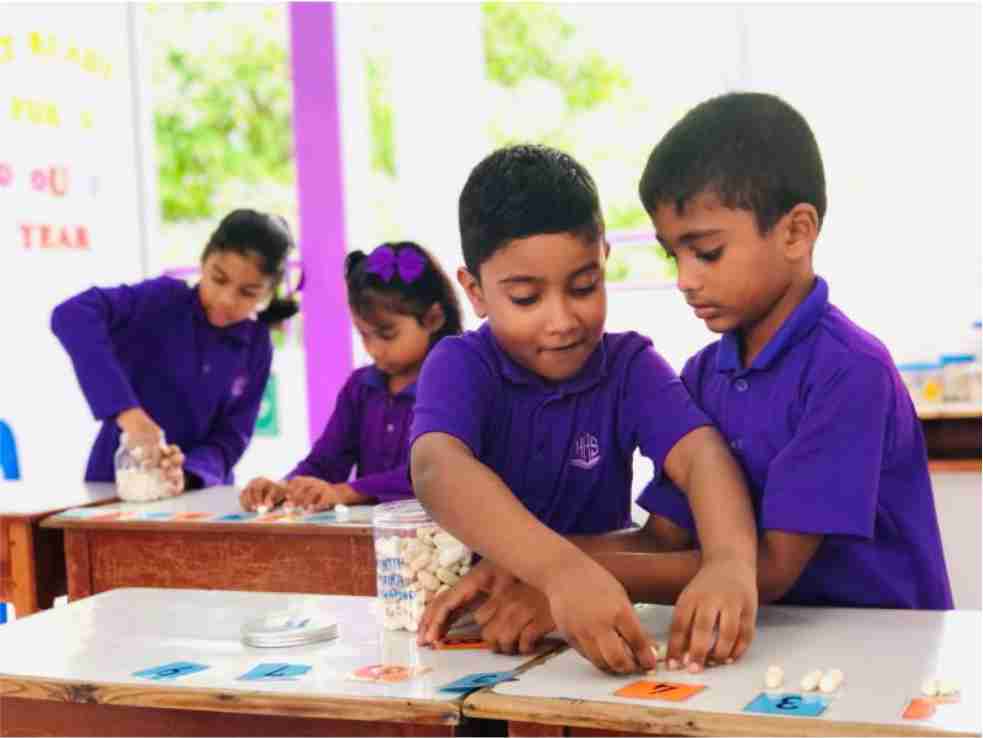
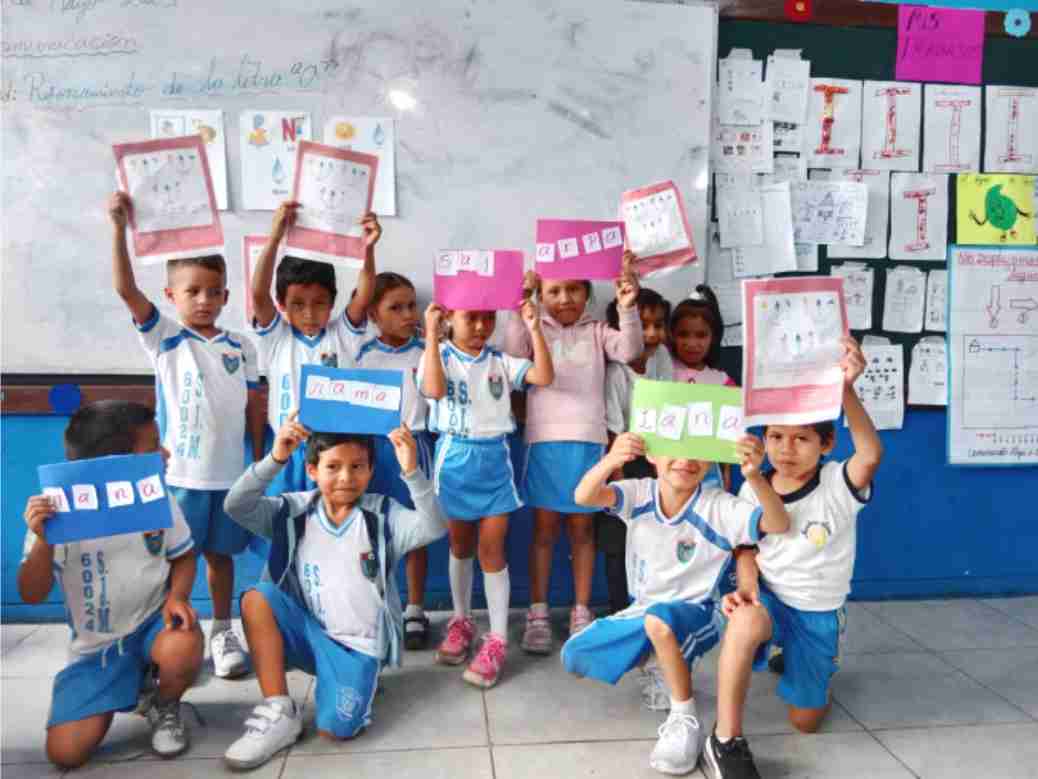
A Sustainable, Climate Conscious Education Children use locally available resources as counters for numeracy activities.
The ALfA process is similar to teaching children to ride a bicycle; once they learn the basics, they build speed, understanding, and confidence through practice.

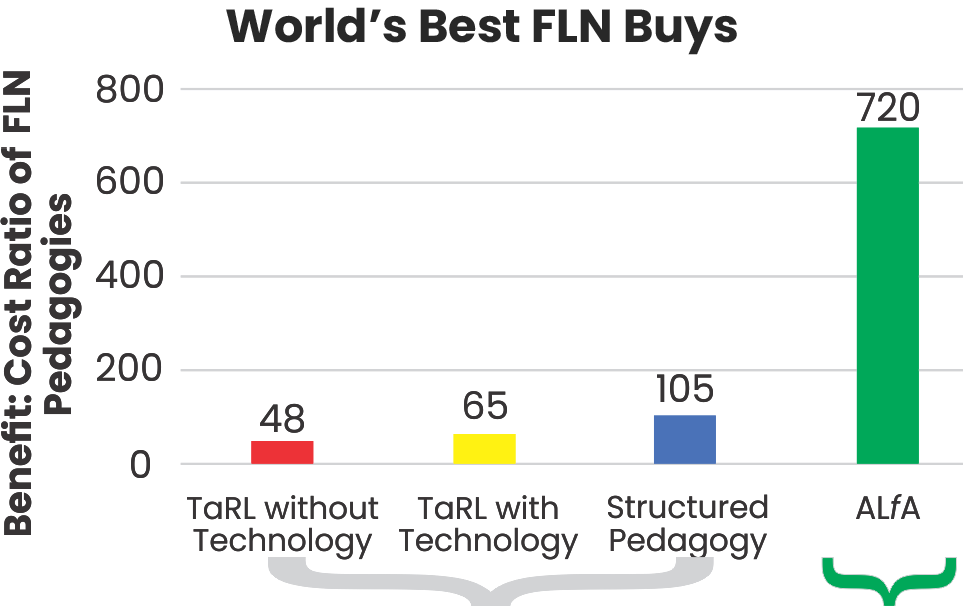
How is ALfA Different from Other Great Buys?

ALfA was launched after 22 years of broader educational research in Iceland, the UK, and India. Since 2022, it has grown from 20 schools to rolling out in stages across 17,000 schools. The ALfA program's impressive growth has been driven by its consistent ability to achieve significant FLN gains in a short time, across diverse contexts.

While ALfA is still emerging compared to established programs such as TaRL (Teaching at the Right Level) and Structured Pedagogy, its ability to deliver swift learning gains positions it as a promising strategy for achieving universal literacy and numeracy.

  • Source: Copenhagen Consensus, 2023. Halftime to SDGs Best Investment Paper: Education
  • Source: Weighted average from implementations. $4 per child, effect size of 0.48 (see HGSE for more details).

Study. Scale. Sustain.

Rapid Results Initiative (RRI) progresses through three stages—Study, Scale, Sustain—to ensure rigorous research, scalability and system-wide adoption. Progression is flexible; one can advance to Expand or directly to Embed.

Research implementation in a few schools, randomly allocated to treatment and control.
  • Objective & scope : Conduct pilots in a few schools to establish proof of concept that FLN goals can be achieved quickly using ALfA pedagogy. We suggest 4 treatment schools + 4 control schools.
  • Roles & Cost-sharing: DEVI Sansthan is offering free online training, learning materials, and assessments. The implementation partner should arrange appropriate monitoring and third-party assessments.
  • Research Design: Pre-post difference in difference analysis (RCT design).

Implementation Options

  • Standard Model: The ALfA program consists of 45 working days, with one hour dedicated to literacy and one hour to numeracy each day.
  • Intensive Model: 30 working days with full-day FLN focus using ALfA in a mission mode ,without other subjects.
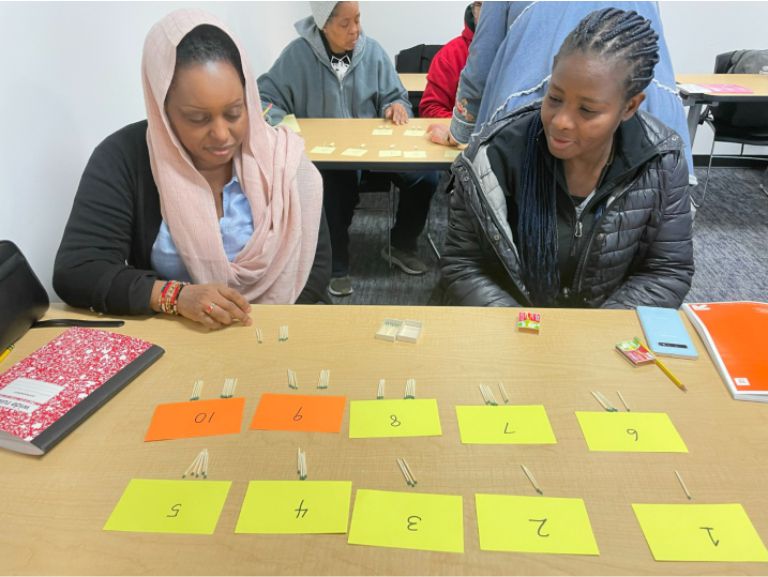
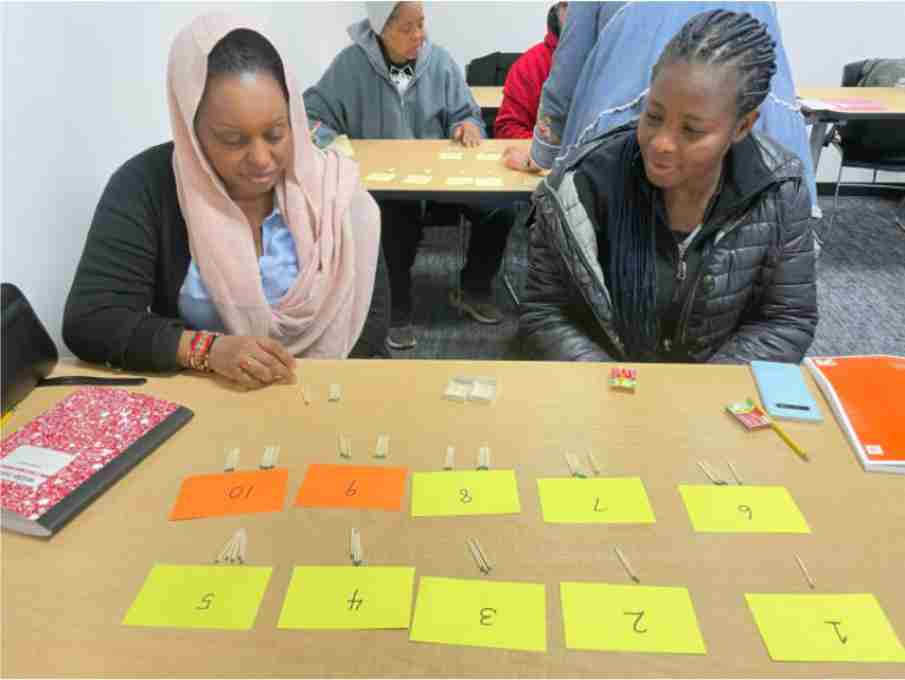
Engaging Adult Literacy & Numeracy learning with ALfA Methods, Literacy Chicago, USA
1

School Selection

The selection of schools is the foundation of any research implementation. This stage aims to ensure a randomized, unbiased, and scientifically valid sampling process. Make sure to transparently documenting the selection methodology.

  1. Compile List: Choose a geographic area based on practical constraints (e.g., districts or blocks). Compile a list of schools within the defined area using government or district-level records.
  2. Apply Exclusion criteria: Exclude schools that may not align with research requirements (e.g., schools with fewer than 50 students).
  3. Random Sampling: Use software tools like Excel to randomly select the appropriate number of schools (we suggest 8) from the eligible list.
  4. Random allocation: Use above software to randomly divide selected schools into two equal groups. The treatment group will implement the ALfA pedagogy, while the control group will continue with traditional teaching methods for comparative analysis.
  5. Clear Communication: The relevant government official should issue a letter describing the RRI and welcoming the schools, including clear description of the expectations from teachers and principals to spend the required time on ALfA.
2

Baseline Assessment

Baseline assessments measure the starting point of students' foundational skills in literacy and numeracy. These assessments are critical for benchmarking and later comparing results post-implementation.

  1. Assessment Design. DEVI has a standardised international assessment for literacy and numeracy. If needed, we can collaborate to translate this to the local language.
  2. Student Selection. Select a random sample of students (depending on the total number of students, we suggest 30%) in order to retain sufficient statistical power while reducing the logistical effort and expense.
  3. Format. Use a paper-based format with OMR (Optical Mark Recognition) sheets for efficient data scanning and analysis. Alternately, if sufficient devices are available, use the custom-designed online assessment tool (which has identical question items to the paper-based format).
  4. Third Party Involvement. Where possible, engage an external party to conduct the assessment. We have found that college students, with a little training, can conduct the assessments reliably.
  5. Conducting the test. Ensure children are familiar with marking answers (e.g., ticking or shading the option in an OMR sheet, or clicking a button in an app). Conduct tests in a controlled environment with no intervention from school staff, especially class teachers. Ensure strict adherence to standardized procedures to maintain data authenticity. If OMR sheets are used, a random sample of test papers should be cross-checked to ensure data quality.
3

Teacher Training

Teacher training is crucial to the success of ALfA implementation. It ensures that educators are equipped with the skills and confidence to adopt the pedagogy effectively.

  1. Modality: Online training remains effective when well-structured and highly interactive, and can reduce costs and logistical challenges. Training can be conducted online in English or Hindi by the DEVI team. Alternately, we can train a master-trainer from the implementing partner, who can then conduct in-person training (which may be in the local language).
  2. Format: The training will be highly interactive, with videos of classroom implementation and hands-on activities that build teacher’s confidence in peer-based and interactive learning methodologies.
  3. Building Stakeholder Buy-in: Along with equipping teachers with knowledge and skills of the ALfA pedagogy, a key goal is to build enthusiasm for ALfA by highlighting success stories from other regions. The training also explores how ALfA reduces teacher workload.
  4. Duration: We suggest two three-hour sessions, one for literacy, one for numeracy.
  5. Materials: Trainees need to bring materials to use as counters for hands-on numeracy activities, such as beans, buttons, sticks, leaves.
  6. Quiz & Certificates: The training will conclude with a fun quiz on the ALfA methodology, and participants will be given certificates.
4

Learning Materials

DEVI will provide all soft copies of learning materials, including teacher handbooks, student materials, assessments and apps, for free. If hard copies are required, DEVI can provide up to 250 toolkits (sufficient for 500 students) for free in any of the major languages (English, Arabic, Spanish, French, Portugese, Urdu, Hindi). The implementation partner will have to bear shipping and distribution costs.
5

Daily ALfA Lessons

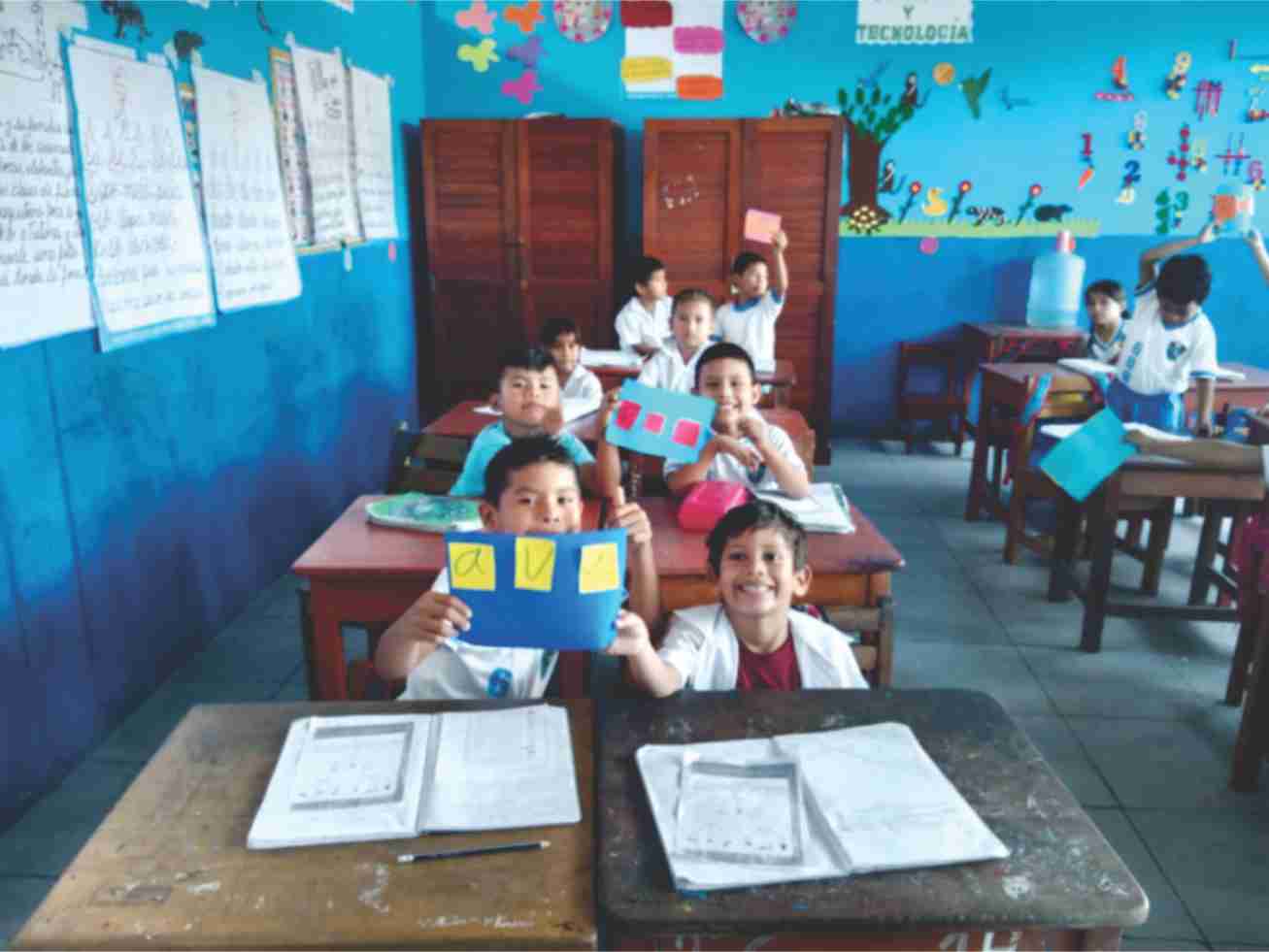
ALfA fosters a shift from teacher-centric to student-led learning.

Preparation (start of the day)

  • Teachers use a fun method to pair students randomly (e.g., pulling names from chits or jars).
  • Students make or bring their learning materials, including Tina & Toto puppets and maths counters.
  • Teachers plan the day's activity sequence.

Four Steps of an ALfA Lesson:

  1. Teacher-Child Demonstration. Teachers model the activity (e.g., clapping out syllables, forming numbers with materials) in a pair along with a child, engaging the class through visual and verbal cues.
  2. Peer Demonstration. Two randomly students demonstrate the activity to their peers.
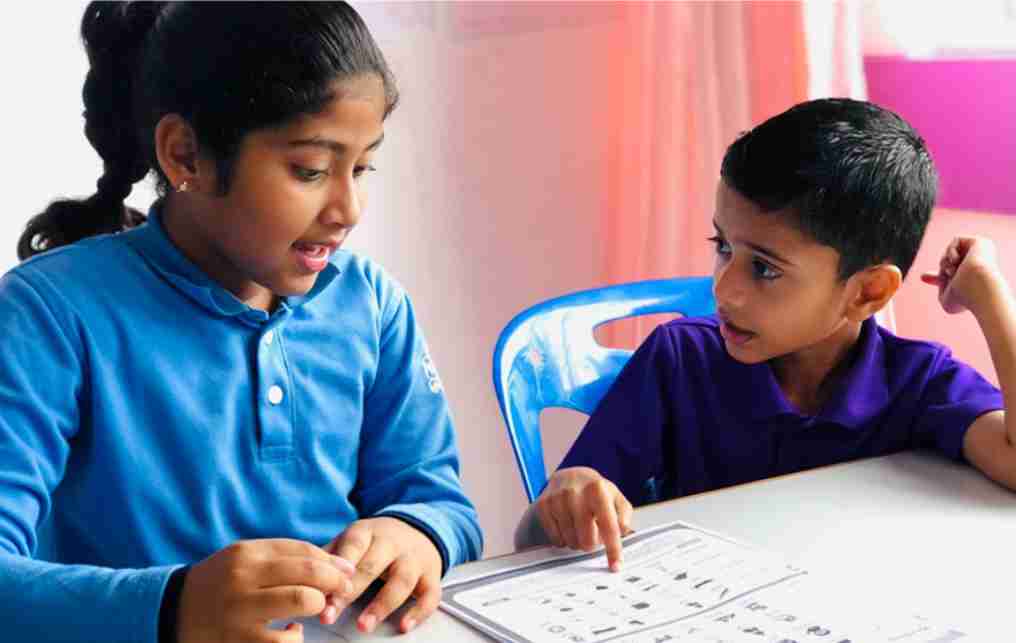
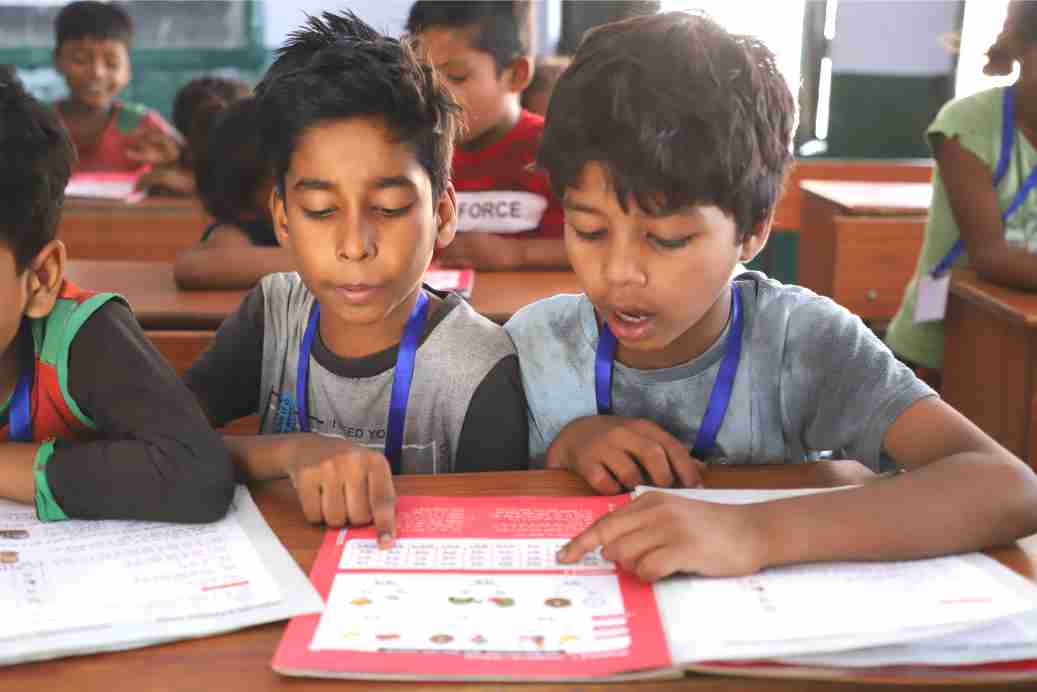
  3. Pair Work. The whole class does the activity in pairs. Both students take turns as “asker” and “responder” to reinforce mutual learning.
  4. New Questions. Students create questions or tasks for their partner, moving toward independent problem-solving.

At the End of a Unit

Teachers conduct collective feedback by asking a series of multiple-choice questions, to see what proportion of students have gained the required skills. They then engage in gap-filling by re-pairing students so that children who have acquired the competency can help those who have not yet.

6

Diversity in the Classroom

ALfA methodologies are designed to accommodate classrooms with diverse student abilities, ensuring inclusivity and equal learning opportunities. It uses the power of paired learning to transform the challenge of multi-level classrooms into a strength.

  1. New Random Pairs are made daily to foster social skills and enable children to learn from different partners.
  2. The modules provide tiered activities within to cater to different learning levels.
  3. Children make their own questions, which enables them to interact at the level appropriate for them.
  4. Children with learning disabilities are warmly included in the ALfA learning process, with different peers helping them learn (and learning from them).
7

Supportive Supervision

Supervision ensures fidelity in implementing ALfA methodologies and provides actionable feedback to improve the program's effectiveness. Rather than relying on carrots and sticks, monitoring processes should enhance teachers’ intrinsic motivation.

  1. Training. DEVI will conduct a separate short training for middle-level leaders on what indicators to look for in an ALfA classroom.
  2. Regular visits. Middle-level leaders should visit schools regularly to monitor classroom practices. Ensure observations cover multiple classes and activities, not just a single classroom.
  3. Supervisory App. DEVI will provide access to a supportive supervision app, ALfAWay, consisting of a standardized checklist (which is also shared with teachers for self-monitoring). The ALfAWay app also generates reports which are accessible for district and state officials.
  4. Grow Circles. Teachers implementing ALfA will be encouraged to meet weekly to share their experiences with each other for mutual encouragement and inspiration. The grow circles will be used to share successes, troubleshoot challenges and practice upcoming lessons & activities.
  5. Mentorship and Peer Learning: Experienced teachers or trained supervisors will be assigned as mentors for new teachers. This buddy system will enable teachers to support each other, especially during the initial implementation phase.
  6. Recognition & Honouring. Successes will be celebrated with ceremonies or public acknowledgment during district reviews.
8

Role of Technology

Technology plays a pivotal role in training, monitoring, and scaling the ALfA program.

  1. Video Tutorials are available on YouTube, covering key ALfA principles and showing hands-on activities.
  2. WhatsApp Groups will be formed for all the teachers in the treatment group, in order to facilitate teacher collaboration and sharing of best practices. Teachers will be encouraged to regularly post photos, videos and any queries. Supervisors and higher officials will be present in the group, and a designated officer will regularly post ALfA Maxims (ready-made best practices). Constructive feedback can be offered via personal messages rather than in public groups.
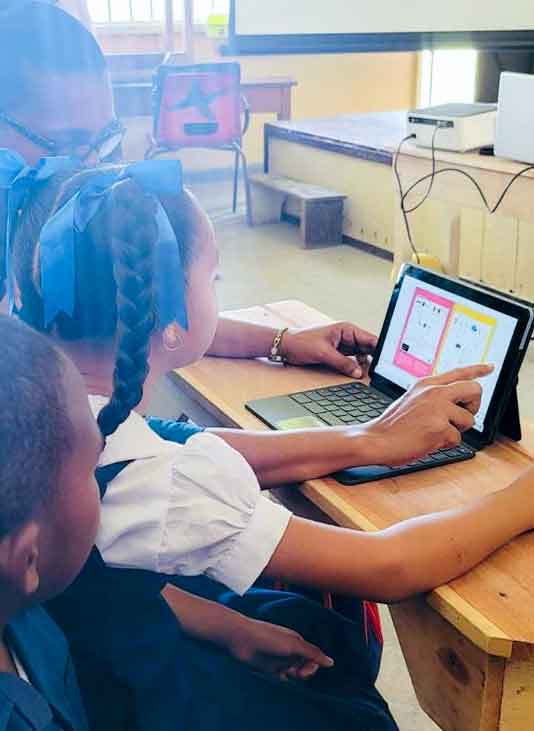
  3. ALfA App is a centralized platform for supervisors to log observations and generate reports. It also provides teachers access to materials, instructions, and progress tracking tools.
9

Refresher Trainings

Refresher trainings ensure that teachers and supervisors remain aligned with ALfA methodologies and adapt to emerging challenges.

  1. Frequency. We recommend one refresher training/feedback session after the first 2-3 weeks of implementation.
  2. Content. The training will revisit key ALfA principles, such as random pairing and collective feedback; and discuss common classroom challenges and their solutions. It will also provide a chance for teachers to share their feedback and brainstorm ways to further improve the program.
  3. Modality. The training can be online to ensure accessibility and minimize cost. If all implementation schools are located near each other, in person refreshers can also be used.
10

Parent Engagement

Parents and communities play a crucial role in reinforcing ALfA principles at home and ensuring broader support for the program.

  1. Town Halls. School town halls or open days can be conducted to:
    • Introduce parents to ALfA’s methods.
    • Demonstrate simple activities (e.g., using puppets or random pairing) they can replicate at home.
    • Emphasize the benefits of peer learning for social and academic development.
  2. Activities for Parents. Teachers should strive to involve parents in the learning process:
    • Encourage parents to use Tina & Toto puppets for storytelling or Q&A at home.
    • Promote family reading time where children read aloud to siblings or grandparents.
    • First-generation students can be encouraged to teach their parents at home.
11

Endline Assessments

Endline assessments provide critical insights into student progress and program effectiveness.

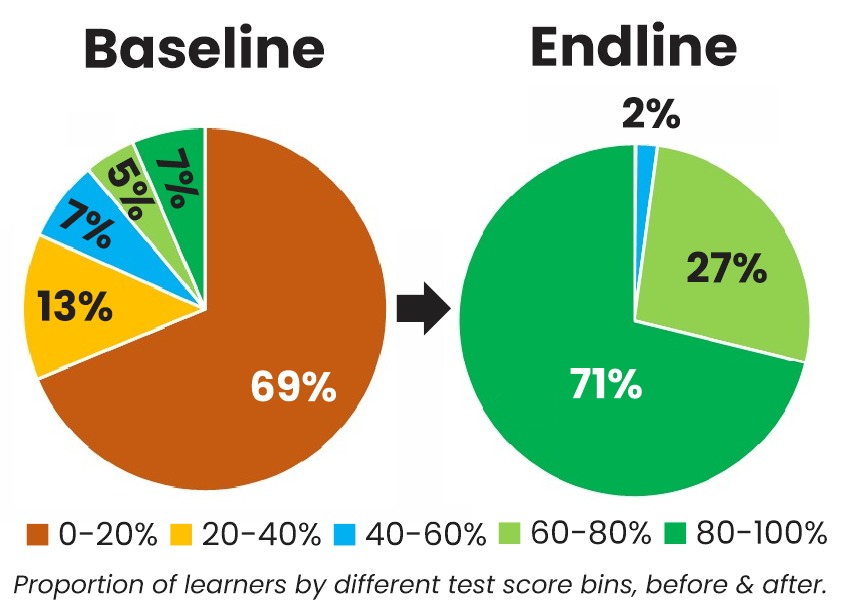
  1. Assessment Content: The endline test is an identical format (though different question items) as the baseline, ensuring data consistency and comparability.
  2. Random Sampling: As with the baseline test, a random sample of students (e.g. 30% of the total) will be selected. These need not be the same students as those who sat the baseline.
  3. Standardised Conditions: Maintain the same test-taking conditions across different schools as was used in the baseline test.
12

Analysis & Reporting

At the end of the engage phase, detailed reporting ensures transparency and provides a roadmap for future scaling in the expand phase

  1. Dignity Education will prepare comprehensive reports in collaboration with the implementation partner. The reports will analyse student performance data from baseline to endline, as well as sharing supervisor observations, teacher feedback and case studies.
  2. Sharing Results. The findings will be presented to all stakeholders through district or state-level review meetings, reports shared with donors or CSR partners, and community events highlighting student and teacher achievements.

Impact at Scale

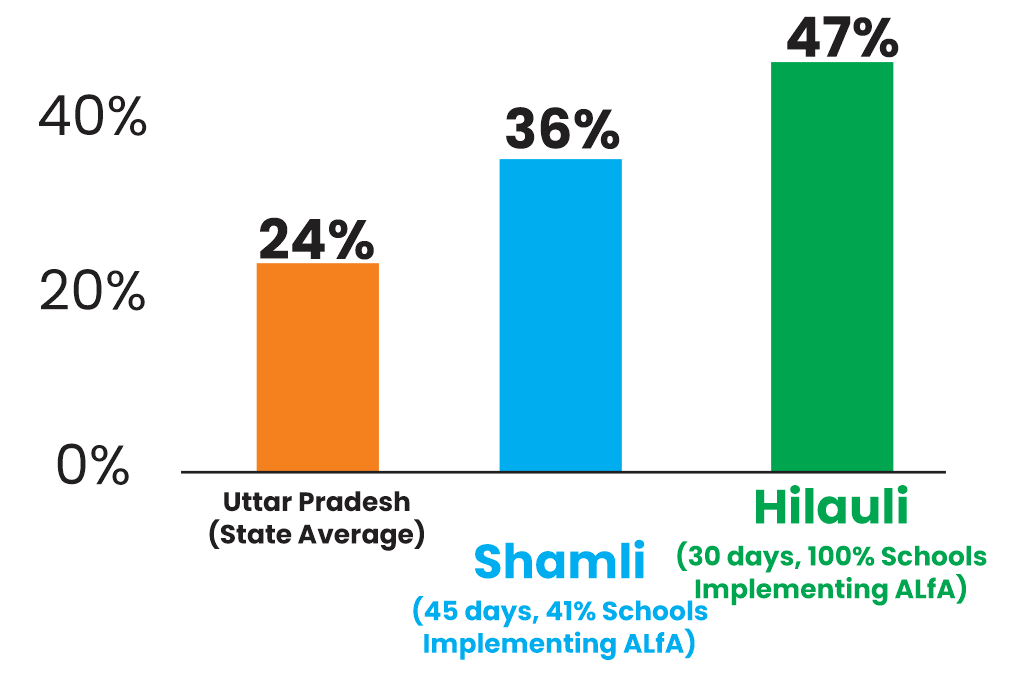
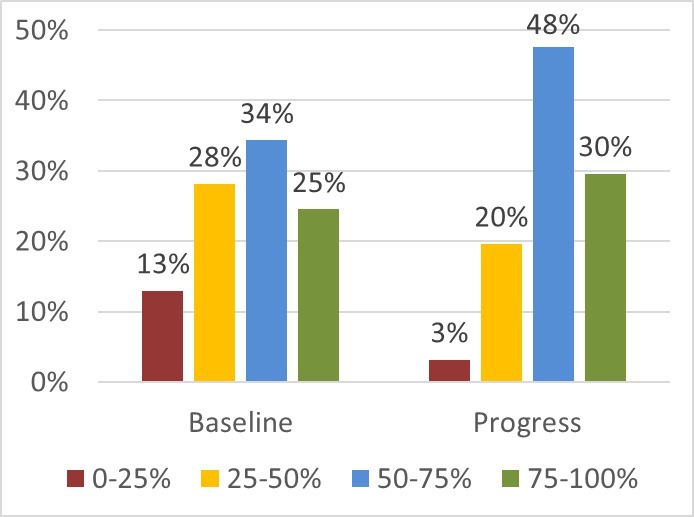
Numerous educational interventions show promising effects in pilots but then struggle to make an impact at scale. In contrast, ALfA has scaled from making a difference in just a handful of schools, to improving learning outcomes for whole districts. The UP government's Parakh 2024 test showed significant gains compared to NAS 2021, with some of the biggest gains coming in the four districts that used ALfA - Lucknow, Unnao, Barabanki and Shamli.
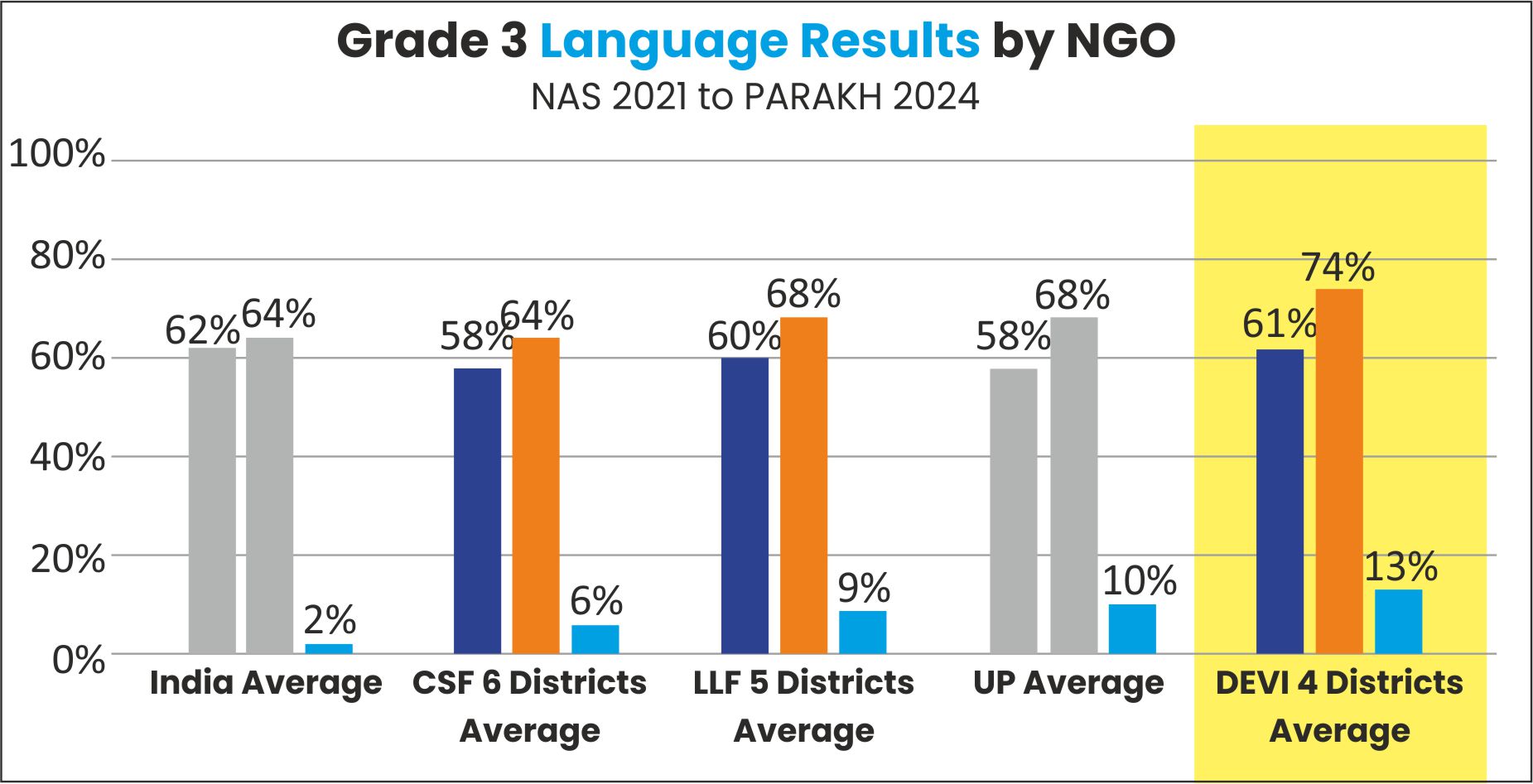
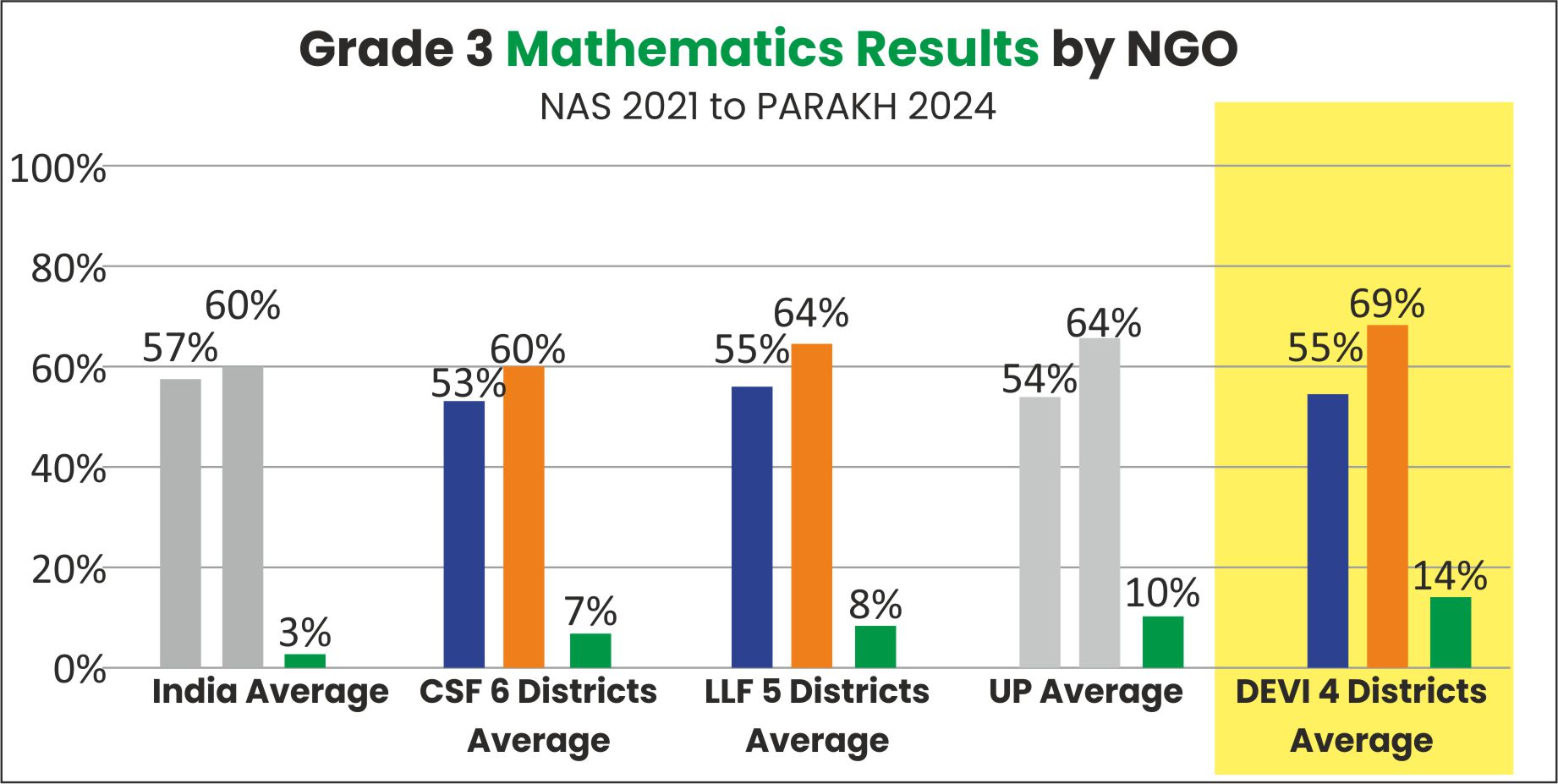
NAS 2021

PARAKH 2024

Literacy Gain

Numeracy Gain

Global RRIs Case Studies

ALfA FLN toolkits are available in 33 languages, including Arabic, Chishona, Dari, English, French, Mandarin, Portuguese, Spanish, Swahili, Twi, Yoruba, and many Indian languages covering a vast proportion of the world's population. They can be easily replicated. Partnerships with governments, NGOs, and international organizations can drive large-scale adoptions following the RRIs.

Learn More

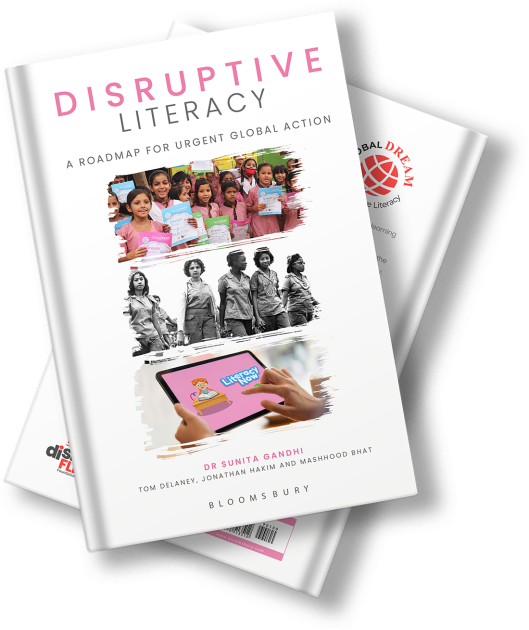
Read Dr Gandhi's first book, Disruptive Literacy (Bloomsbury, 2022)

Read ExtractVisit Publisher

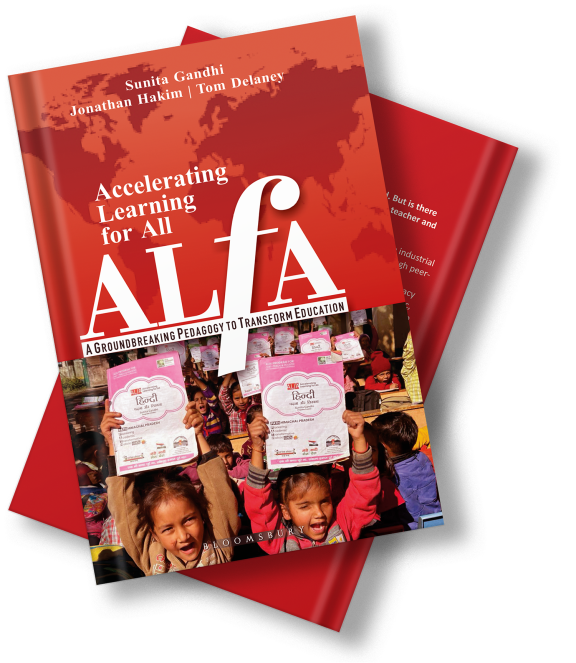
Read Dr Gandhi's latest book, Accelerating Learning for All. (Bloomsbury, 2024)

Read ExtractVisit Publisher

Hear endorsements by high-level Indian policymakers.

Watch Now
Check out the ALfA materials, available in 30+ Indian and International languages.

Explore Toolkits

Frequently Asked Questions

Why should anyone take a risk on a new methodology like ALfA?

While ALfA is a new program, having been launched in government school contexts in 2022, it is based on over a decade of active educational research in Lucknow’s slums and private schools. ALfA is now well established, having been implemented in thousands of schools in India, and with pilots across 12 countries. ALfA is discussed at length in two books published by Bloomsbury and two chapters of a book edited by Harvard Graduate School of Education Professor Fernando Reimers.

But perhaps the most important reason to try something new is this: the old systems are not working. 70% of 10-year-olds in low-and-middle-income countries around the world cannot read a simple text with understanding. Something must change!

How can we afford to give 45 days to a program like ALfA, when we are already so busy and behind the\n curriculum?

We understand that many teachers are already overburdened, and have a big workload. However, we firmly believe that ‘completing the curriculum’ is a secondary goal, the primary focus should be on students’ learning outcomes. Experiences in Uttar Pradesh, India’s most populous state, indicate that when students complete the 45-day ALfA program their improved reading skills enable them to work through their textbooks much more swiftly and effectively.

We are already doing peer learning/ activity-based learning/ playway method. How is ALfA any different?

Though ALfA is a new pedagogy, it contains many elements which are well established – from peer learning to hands-on activities. ALfA is like a recipe that brings together these ingredients in a new and unique way, to make a flavourful dish:

  • Paired learning throughout the day, rather than occasionally
  • Pairs are made randomly, rather than based on ability level
  • Modules are simple and visual, enabling children to learn themselves, rather than relying on a teacher to interpret
  • Children make new questions for each other, rather than simply solving from worksheets

None of these aspects is not unique, but they are combined in a unique way in ALfA.

How is ALfA different from Structured Pedagogy?

Structured pedagogy is defined as a ‘coherent package of textbooks, lesson plans, and teacher training and coaching that work together to improve in-class teaching’ (Copenhagen Consensus, 2023). Structured pedagogy is an increasingly popular approach, recognized by the World Bank Global Education Evidence Advisory Panel as a ‘Smart Buy’.

ALfA is a coherent package of learning materials, assessments, apps, teacher training & guides – making it, in some regards, a form of structured pedagogy. However, it is different from some structured pedagogies which provide a highly detailed and rigid mapping of what teachers need to do every period of every week of every year. Instead, ALfA’s process-led structure gives significant flexibility and freedom to both teachers and students to work at their own pace and style.

How is ALfA different from Teaching at the Right Level?

Many classrooms have huge diversity of learning levels: some children may be at or beyond their age-appropriate level, while others lag far behind. This can be a big challenge for teachers, who struggle to decide whether to teach to the top, middle, or bottom of the class.

Teaching at the Right Level (TaRL) is a well-respected FLN program that tackles this problem of multi-level classes by testing students’ learning levels, grouping them, and targeting instruction accordingly.

ALfA presents a different solution to the same problem: working together in random pairs, children help each other learn. This not only proves effective academically, it also helps develop social skills, as children learn to work with a diversity of classmates. Avoiding labels of ‘strong’ or ‘weak’ helps all children develop a growth mindset, striving to excel regardless of their current learning level.

Our main problem is lack of attendance – we have many children out of school. How will ALfA help in this scenario?

The Annual Status of Education Report consistently finds high rates (15-30%) of student absenteeism in India, and this is a common problem across many LMICs. However, our experience so far of ALfA in Uttar Pradesh has indicated that, when children are having fun in school and learning is visibly rapid, their attendance typically also increases

I have a lot of students, with a huge diversity of learning levels – can ALfA work for me?

ALfA can be particularly helpful in challenging contexts such as multi-level classes or areas with a large student: teacher ratio.

  • Peer Learning: Students work together and help each other, such that a diversity of learning levels becomes an opportunity rather than a challenge. Students can even check each other’s work, reducing teacher workload.
  • Tiered Activities: ALfA caters to a variety of learning levels within the same module. Students make questions for each other, at the level that is appropriate for them.
ALfA suggests random pairing. But what if two weak students are sitting together – will they be able to help each other? Can young students really do paired learning?

ALfA refuses to categorise children as 'weak' or 'strong', but it's true that in any classroom there will be a mix of learning levels. Two students who are struggling with reading will still decipher more together than they would have individually – two heads are better than one. If two children working together both don't understand what they're doing, they can ask another pair for help. With new random pairings every day, children will soon get a chance to work with others. Very soon, though, even the so-called ‘weakest’ students will learn the process and be able to start asking questions. We’ve seen students as young as four-year-olds beautifully ask questions and help each other.

What if children speak their local dialect and can't recognise the pictures in the ALfA book?

ALfA is currently available in 30 Indian and international languages. We encourage focusing on mother tongue literacy in early years. If ALfA is not available in your local language, we would love to collaborate with you to help develop – reach out to us. When using ALfA in a second language, you may need to help build their vocabulary so they can recognise the pictures, before they are able to learn decoding and blending. For instance, invite the students to make TLMs like picture and letter cards, and play games with them.

Some of my students have already mastered foundational skills. Won’t ALfA be boring for them?

Some students already know how to perform various arithmetic operations and get the correct answer. However, they still gain by doing it through hands-on activities, as they gain deeper insight and understanding. Concepts like ‘carrying’ in addition and ‘borrowing’ in subtraction may have earlier been done mechanistically, but now become more meaningful.

Beyond academics, paired learning in ALfA helps students develop their socio-emotional skills, including collaboration, communication, citizenship and character.

Can ALfA help Children With Special Needs?

Some children have special learning needs (hyper, shy, autistic, dyslexic, etc.) and struggle to focus in a traditional classroom. ALfA helps such children to also become actively involved in the learning process. They are included in the paired learning process, and an active part of the classroom – rather than being segregated into a ‘special’ class. Their presence can help other students develop their collaboration and citizenship skills and attitudes.

I like the idea of ALfA, but why is the class so noisy?

ALfA classrooms are often noisy, as children interact with each other in pairs. This clashes with our traditional conception of a 'good class' as one in which students do their individual work silently. As teachers we have to get used to a new normal of accepting 'productive noise'.

I like the idea of ALfA, but the parents are objecting. What can I do?

Parents, who have themselves been brought up in a traditional education system, will sometimes struggle to understand an ALfA classroom. Common objections include 'there's not enough written work' and 'how will they learn if the teacher doesn't explain'? Initially, you may want to do an ‘open day’ or ‘town hall’ to showcase some ALfA activities and get the teachers more interested. Before long, the learning outcomes of students will speak for themselves.

Transform education with the RRI framework by Dignity Education Vision International.